-->

Russia and Vietnam

Commemorating the 75th anniversary of the establishment of diplomatic relations between the Russian Federation and Socialist Republic of Vietnam 30/01/1950 - 30/01/2025

First Bricks

The first bricks

After the Socialist Revolution of 1917, Vietnamese revolutionary delegates began to come to Moscow - more than 50 people, studying at the Communist University for Eastern Workers and the military schools of the Communist International Committee. In the years 1920-1930, leader Nguyen Ai Quoc lived and worked in Moscow for 6 and a half years. At his request, Moscow received a group of Vietnamese youths from Guangdong, who in 1941 volunteered to join the Red Army and sacrificed their lives in the battles against Nazi Germany to protect Moscow capital.
© Sputnik
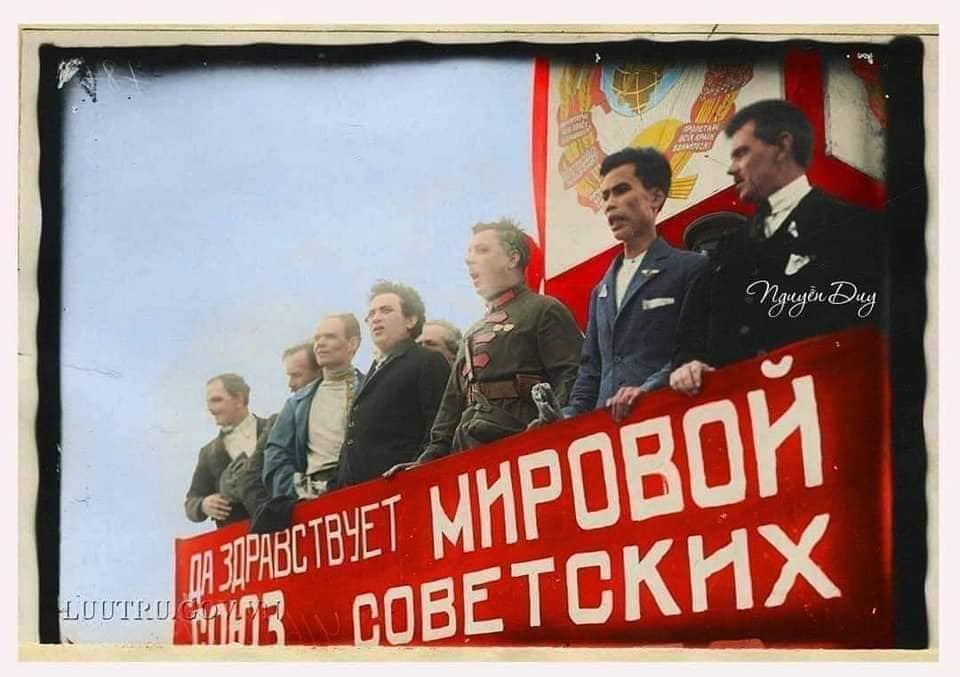
Ho Chi Minh in Moscow 1923
Nguyen Ai Quoc(2nd from right) at the rally to welcome the 5th Congress of the Communist International 1923. Standing next to him were comrades Voroshilov (Commander of the Moscow Military District) and Zinoviev (Chairman of the Comintern).

The establishment of diplomatic relations

On January 30, through the Soviet envoy in Thailand, the Soviet Foreign Minister sent a telegram to President Ho Chi Minh informing that the Soviet Government recognized the Democratic Republic of Vietnam and agreed to establish the diplomatic relations with young goverment in Asian Pacific region.
© Sputnik

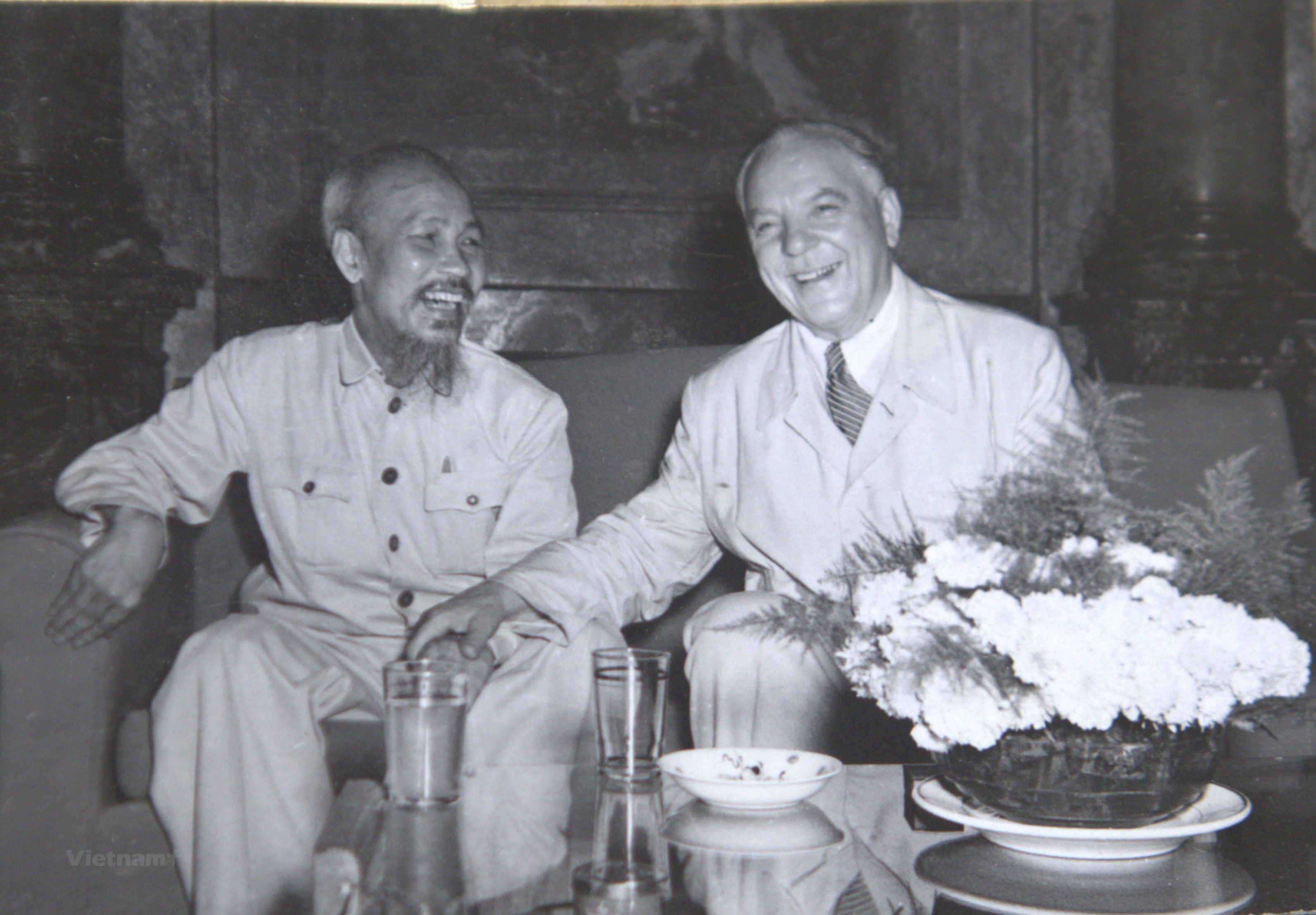
Ho Chi Minh and Vorosilop 1957
President Ho Chi Minh and Kliment Voroshilov at the Presidential Palace of Vietnam on May 20, 1957

Valuable support in the fight against enemy invaders

In April 1965, just a month after the United States had started sustained aerial bombardment of North Vietnam, known as 'Operation Rolling Thunder', the first Soviet air defense missile systems and military specialists servicing them began arriving in the country, at the request of the Government of the Democratic Republic of Vietnam.

Throughout the war, Moscow provided Hanoi with 95 S-75 air defense missile systems, over 500 airplanes, 120 helicopters, more than 5,000 anti-aircraft guns and 2,000 tanks. In addition, more than 10,000 Soviet military specialists were dispatched to Vietnam: from missile crews, pilots and signalmen to tank crews and doctors.© RBTH

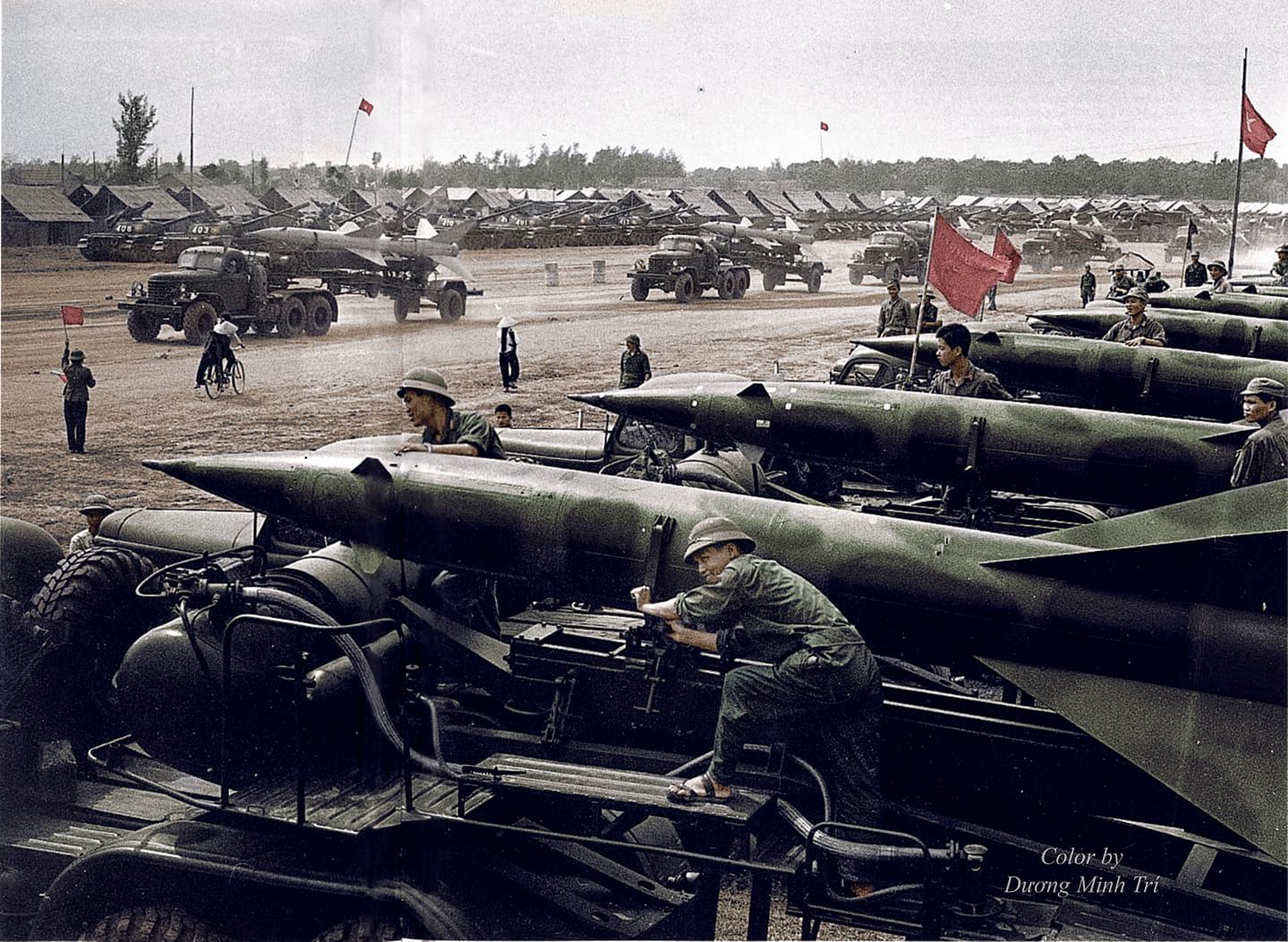
Military equipment Soviet provide Vietnam
SA 2 ,T54/55 and other equipment in a temporary base outside of Hanoi for a parade
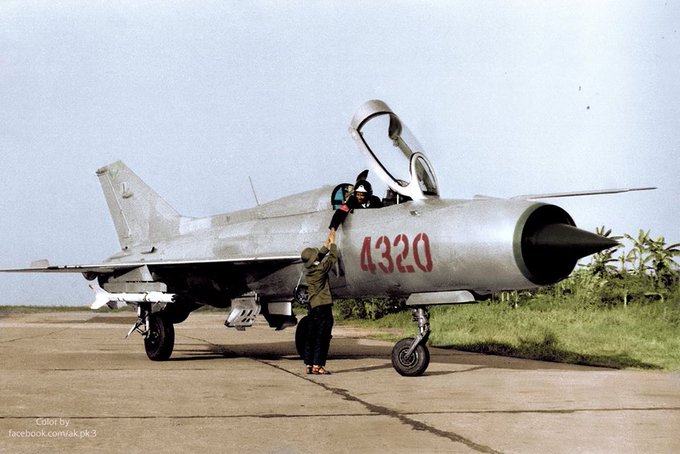
Mig 21PF 1967
A Mig-21PF of 920th Regiment prior to a sortie of the North Vietnamese Air Force with standard weapons: 2 K-13 air-to-air missiles, 1967.

Shoulder to shoulder in the heinous war

A special role was also played by Soviet anti-aircraft gunners. They not only trained Vietnamese People's Army (VPA) personnel, but also took part in fighting together. It is in no small degree thanks to them that the U.S. Air Force and Navy, having lost more than 4,000 aircraft, failed to suppress North Vietnam's air defenses and defeat the country.© RBTH

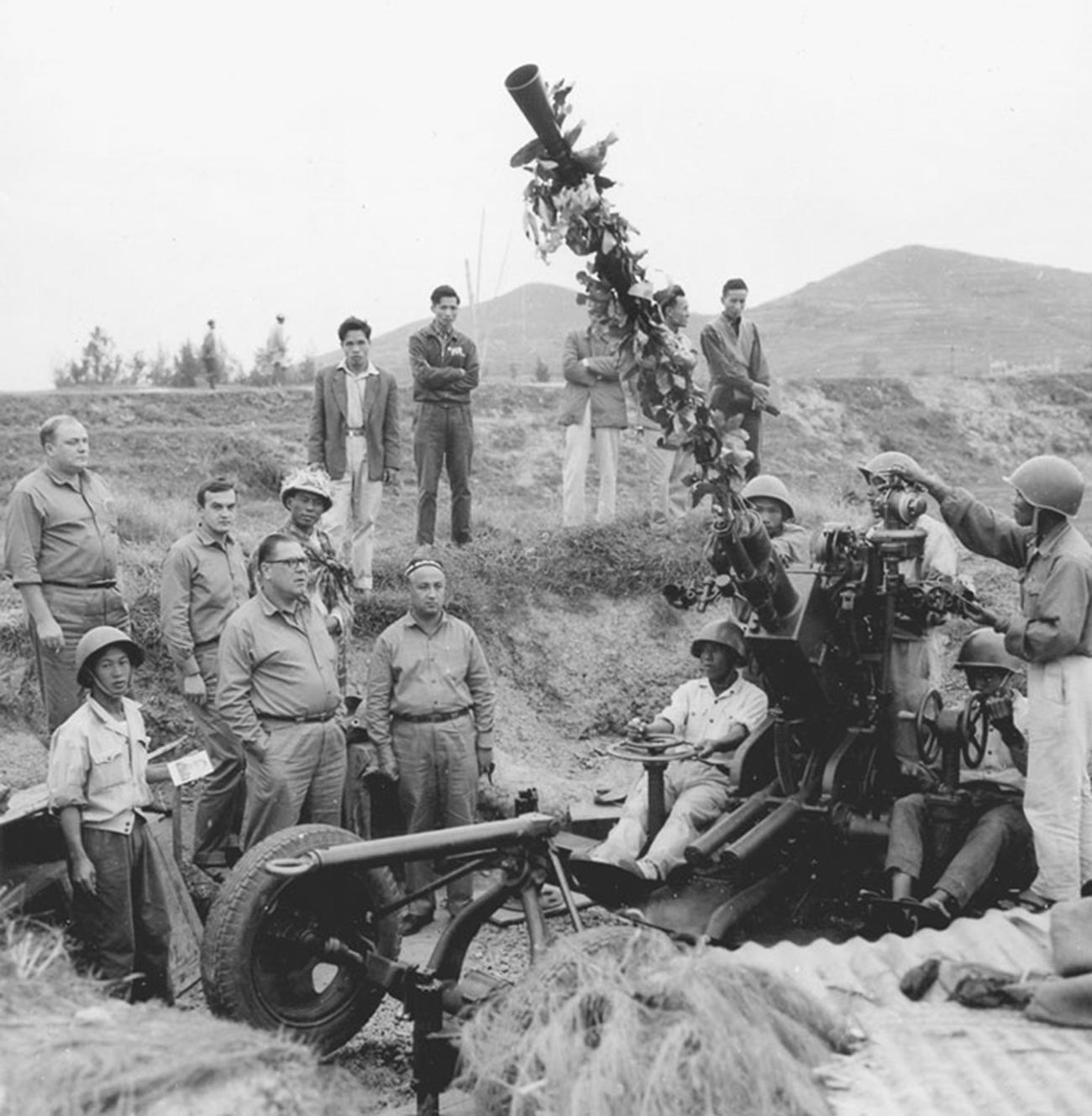
Soviet military specialists in Vienam
Soviet military specialists and Vietnamese anti-aircraft gunners in Nam Dinh Province, 1965

The most difficult victory is the victory pay by blood

Since during the War of aggression in Vietnam, the Americans lost over 4,000 aircraft.

Eduard Lekanov, commander of a platoon of Volkhov surface-to-air missile launchers: "In July 1966, we were stationed near Hanoi, guarding the largest bridge in Southeast Asia. At the battery next to us, a Vietnamese crew was entrusted with carrying out a launch independently, but both their missiles missed the target.

The Phantom turned around to attack. In our battery, I was the only one wounded, while the crew that fired and missed were all killed. After that incident, the Vietnamese were for a long time suspended from carrying out independent launches: 'Military science must be learned properly!'"© RBTH

Military science must be learned properly! Eduard Lekanov
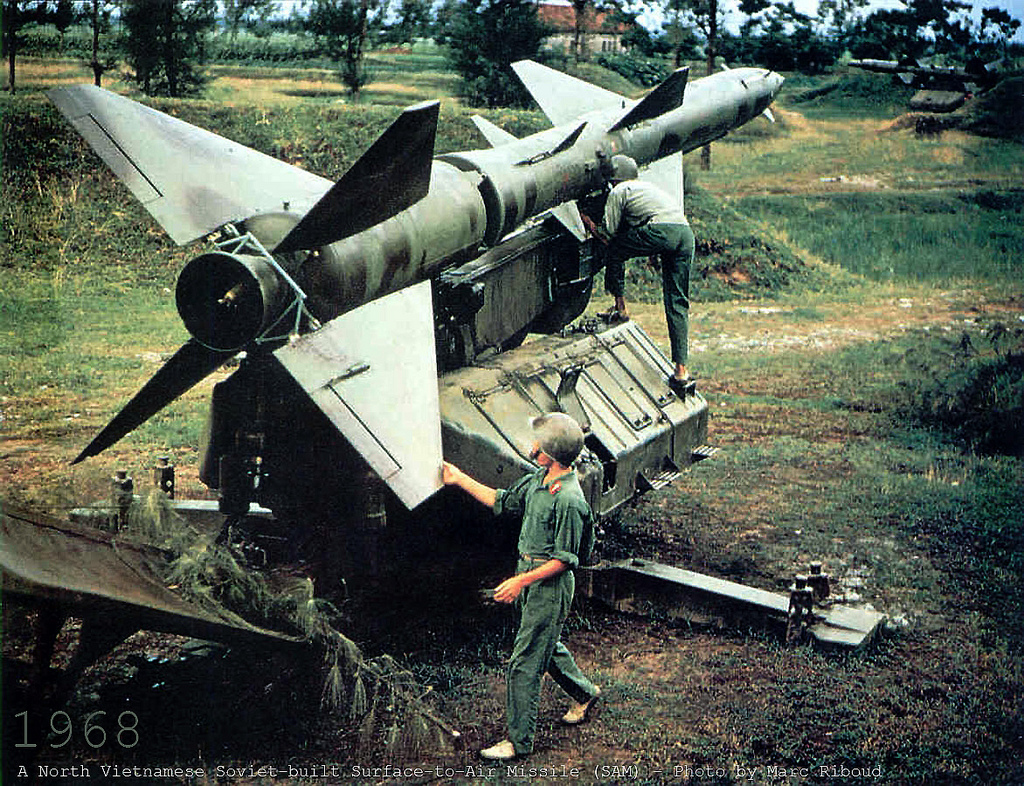
1968 North Vietnam Soviet-made Anti-aircraft Guided Missile (SAM). Photo by Marc Riboud

The SA-75M and SA-75MK are export versions of the S - 75 Dvina air defense system
1968 North Vietnam Soviet-made Anti-aircraft Guided Missile (SAM). The SA-75M and SA-75MK are export versions of the S - 75 Dvina air defense system. Photo by Marc Riboud.
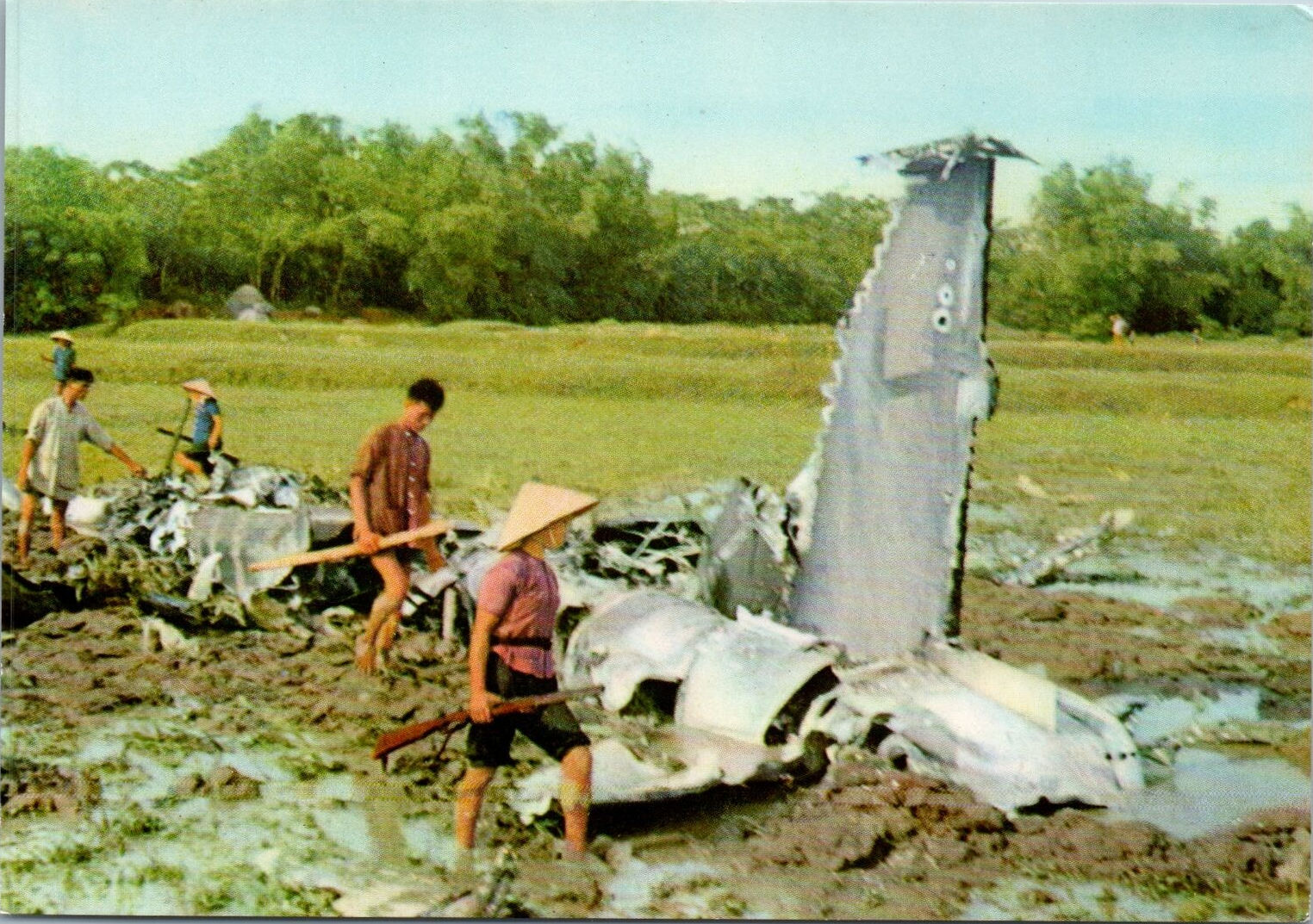
F105 was shoot down
Here! The U.S. Air Forces, Postcard from Publisher Xunhasaba Hanoi Viet Nam

Build Peace from War Ruins while blood still bleeding

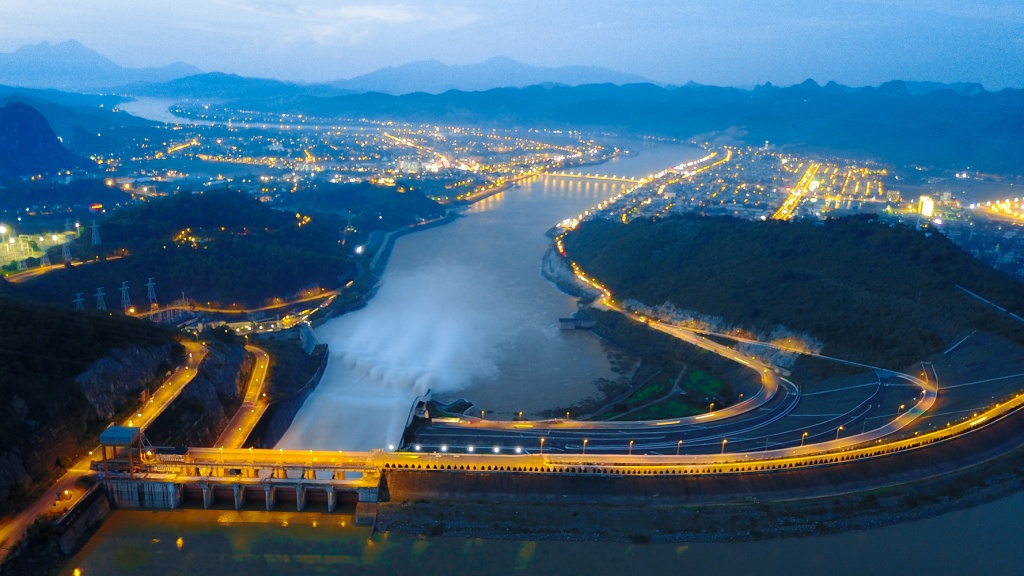
Built in the Da River basin in the northern mountainous province of Hoa Binh, at the time of its conception in 1979, Hoa Binh was the largest hydroelectric plant in Southeast Asia.

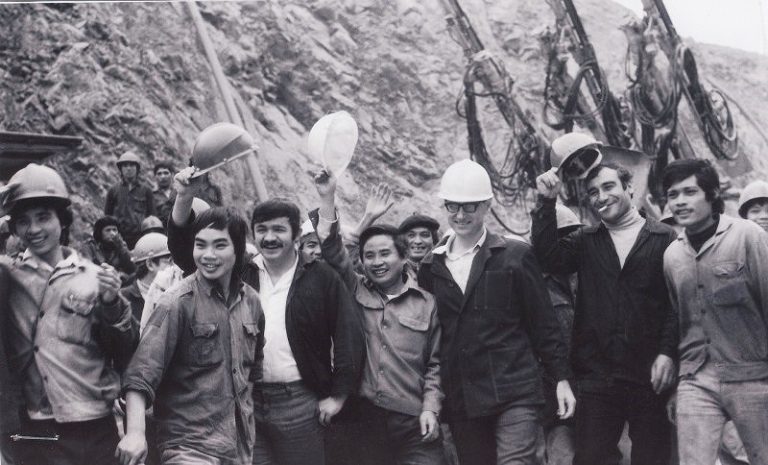
Hoa Binh was the largest hydroelectric plant in Southeast Asia. The construction was supported by the Soviet Union all the way through, designing, supplying equipment, supervising, and helping it go on stream. Construction began on November 6, 1979, with 40,000 officers, engineers and workers and 750 Soviet experts. It was completed 15 years later on December 20, 1994.

The plant was built during the trade embargo by the U.S. and a fight against the genocidal Pol Pot regime in Cambodia, and a border war with China looming.
© vnexpress.net

Soviet Viet Nam engineer Hoa Binh hydropower plant
Soviet experts and Vietnamese workers at the Hoa Binh hydroelectric plant construction site.
Hoa Binh hydropower plant
Hoa Binh hydroelectric plant today

Shoot down B-52 by MiG-21MF and flew to space by Soyuz-37

Around 9PM, on December 27, 1972, Comrade Pham Tuan ordered to sortie from Yen Bai airport by MiG-21MF No 5121. Guided by the headquarters, he discovered two B-52s and a group of F-4 escorts. When he was still about 2-3km from the target, he calmly checked and fired two K13 missiles at once, a bright red flame falling in front eyes, B-52 was shot down.© qdnd.vn

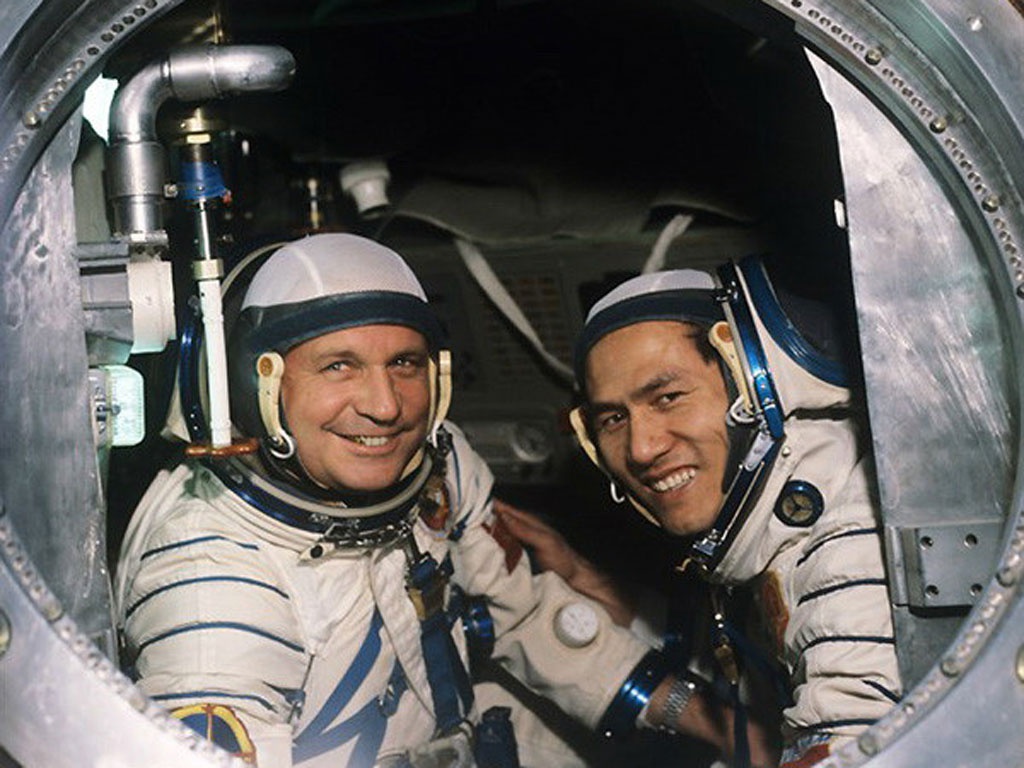
Late at night on July 23 in Moscow time and dawn on the 24th in Hanoi. The Soviet Soyuz-37 spacecraft took off and flew into the sky. The commander of the ship is Mr. Victor Gorbatko, an astronaut who has flown around our planet twice. The research pilot is space rookie Pham Tuan.

July 24, previously entered the history of Vietnam, becoming a line in the annals of cooperation between the two countries. Also on July 24, but 15 years earlier, the Soviet anti-aircraft missile complexes that had just been received by the Vietnam People's Army successfully completed the first combat challenge.© Sputnik

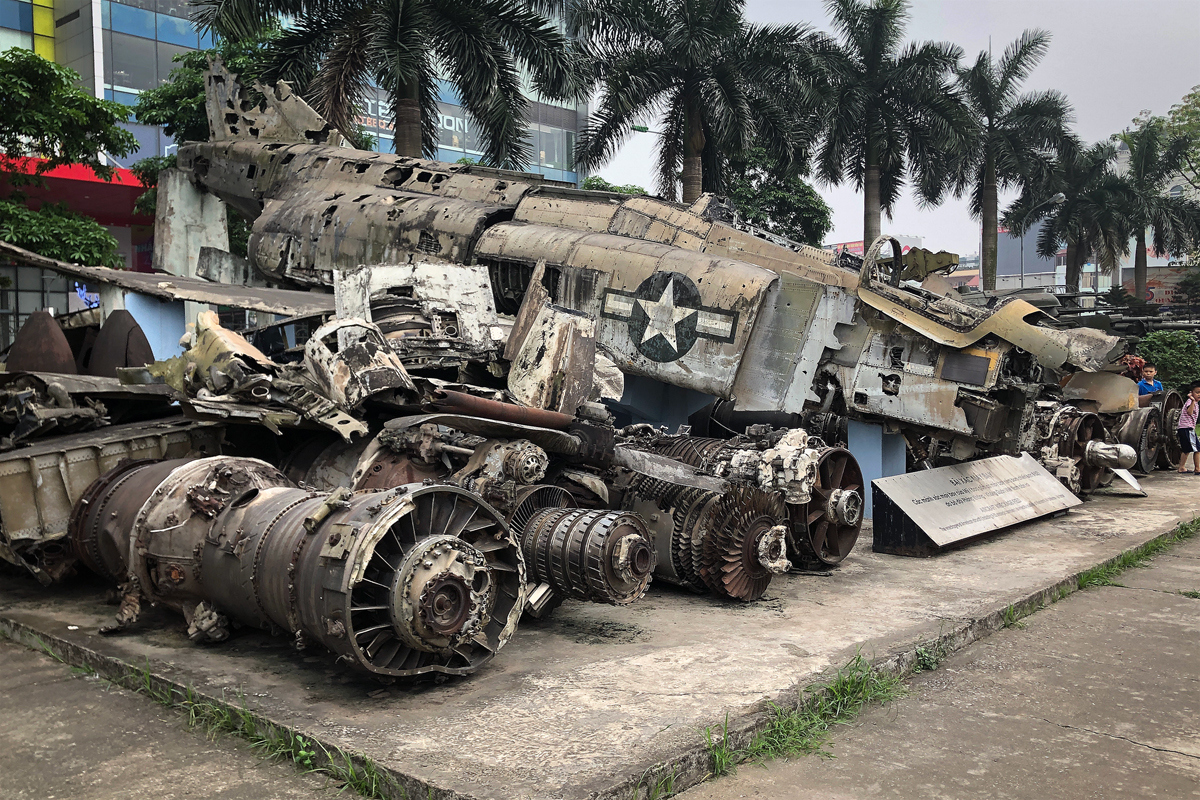
f4B Phantom 2 shoot down in thanhhoa 1967
This McDonnell Douglas F-4B Phantom II fighter is on display at the Vietnam Air Force Museum in Hanoi.The fighter was shot down by air defense fire over Thanh Hoa province on May 14, 1967.
Astronaut Gorbatko and Pham Tuan 1980
On July 23, 1980, Pham Tuan became the first and only Vietnamese cosmonaut to fly with Viktor Gorbatko under the Intercosmos program on the Soyuz-37 spacecraft.

Vietsovpetro is a symbol of friendship cooperation

The relationship between Russia and Vietnam has been challenged through 75 years of war and peace building.