

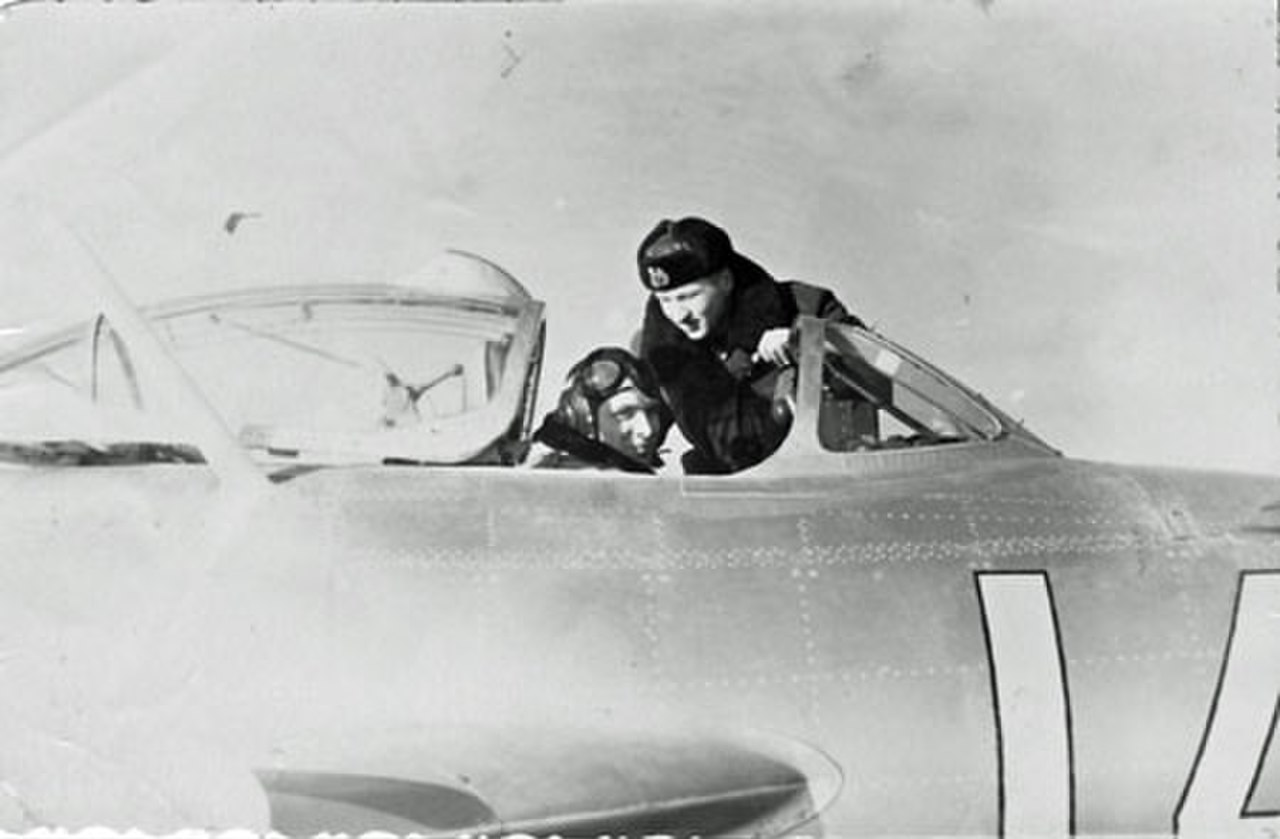
58 years ago, on April 4, 1965, during the Vietnam War of 1064-1973, Soviet military pilots on MiG-17F aircraft opened a combat account, shooting down two American F-105D Thunderchief aircraft. The official reports then wrote that local aviators distinguished themselves, as they preferred not to talk about the participation of the Soviet Army in the conflict at that time. Since then, this day is celebrated in Vietnam as Aviation Day.
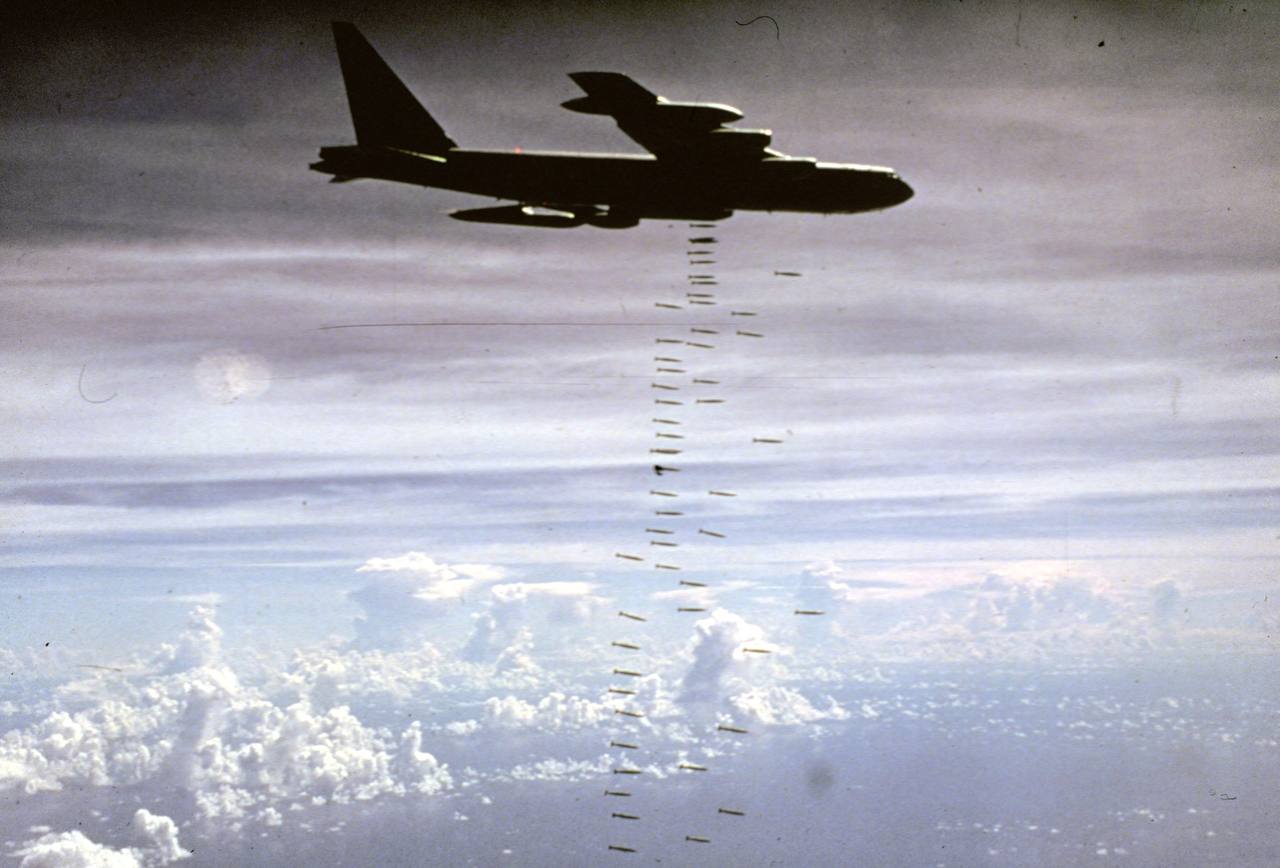
In total, during the period 1965-1973, the United States and its allies lost 8,612 aircraft units in Indochina. According to the report of the command of the Air defense Forces and the Air Force of the Vietnamese People's Army (VNA), the Vietnamese side destroyed 4184 American aircraft, most of which were air defense systems. According to other sources, the Vietnamese air defense forces destroyed more than 2,500 US Air Force aircraft. 472 American pilots from the crews of aircraft shot down in the skies of North Vietnam were captured.
Soviet military specialists of the Air Defense and Air Force made a great contribution to the training of the Vietnamese-at first, the VNA combat crews were understudy trainees, and after appropriate training, they began to directly perform all operations for preparing the launch and guidance of missiles. The functions of Soviet specialists included their safety net and, if necessary, prompt correction of errors.
Today we will try to remind you about the history of the issue - the participation of the USSR in this conflict.
For a long time, Vietnam was a colony of France. After the end of World War II, the People's liberation struggle unfolded in it. The French were confronted by detachments of Communist rebels led by Ho Chi Minh. The Americans financed someone else's war, but Paris, involving even former German officers in its conduct, fought unsuccessfully. After the defeat at Dien Bien Phu in 1954, France agreed to the withdrawal of troops, stipulating the preservation of the territorial status quo and the division of the Viet Nam along the 17th parallel into the Democratic Republic of Vietnam (DRV, North Vietnam) and the Republic of Vietnam (RV, South Vietnam). Legally, the division of Vietnam into south and north should not have lasted long, but the parties could not agree on holding elections.
In the mid-1960s, the political situation in Indochina seriously worsened. The leadership of the Republic of Vietnam turned to the United States with a request to provide it with military assistance in the fight against the Popular Front for the Liberation of South Vietnam (PFL), created in 1960 on the basis of patriotic forces, which had taken control of more than 60% of the country's territory by 1964. Effective assistance (including military) to the People's Front was provided by the DRV. In 1964, American troops began full-scale combat operations against the NFLN units. South Korea, Thailand, the Philippines, Australia, New Zealand and Laos also participated in the intervention.
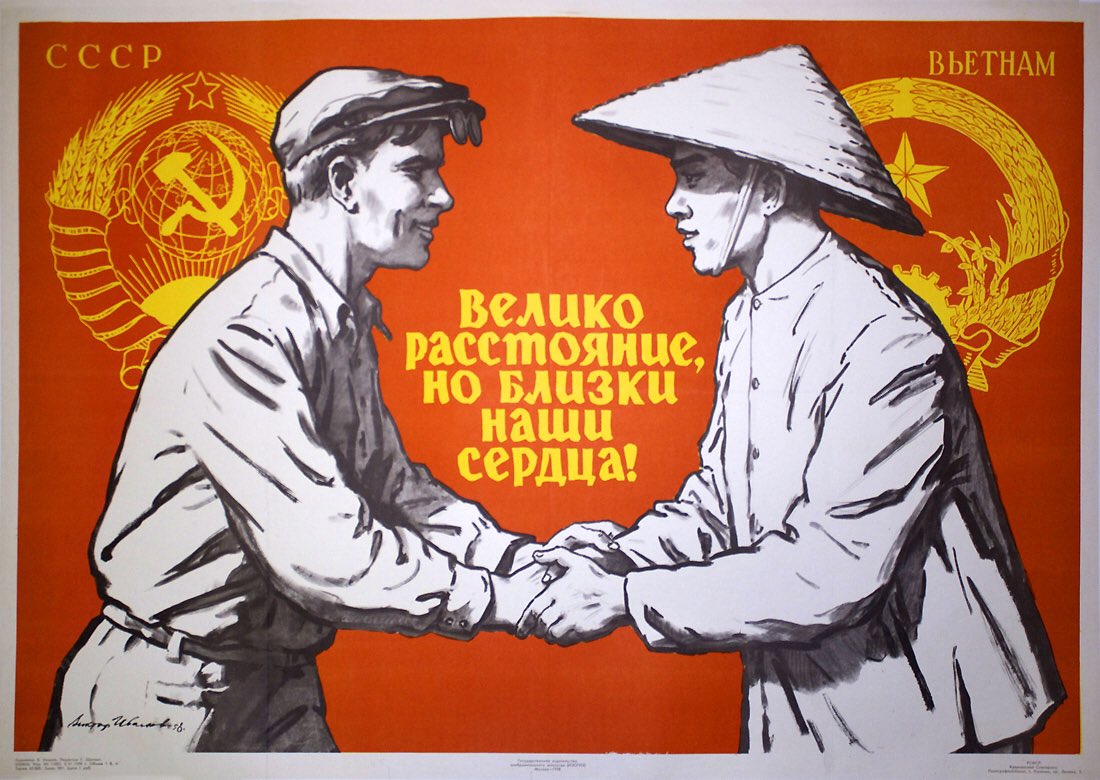
South Vietnamese Communist partisans received a lot of support from the North, and the Americans began a massive bombing campaign on the territory of the DRV. Their goal was to completely undermine the military and economic potential of the Northerners and, if the situation developed favorably, overthrow the regime friendly to Moscow there. DRW leader Ho Chi Minh turned to the Soviet Union for help. The Soviet government, which did not want to increase the influence of the United States in Southeast Asia, decided to support the "red" neighbor.
In July 1965, a so-called Group of Soviet military specialists was sent to Vietnam to provide military and engineering assistance to the Vietnamese People's Army. Among the officers involved were many front-line soldiers (commanders of anti-aircraft missile regiments and divisions, senior groups) who had the experience of the Great Patriotic War. To provide effective international assistance, more than 10 thousand Soviet military specialists were sent to the country: from rocket men, pilots and signalmen to tankmen and medics.
The main focus was to be on air defense capable of deterring American air attacks, as well as the creation of combat-ready aircraft in Vietnam itself. Soviet weapons were transferred to the region, including SA-75 Dvina anti-aircraft missile systems, MiG-17 and MiG-21 fighters, Su-17 fighter-bombers, Il-28 bombers, Il-14 and Li-2 transport aircraft. Anti-aircraft systems, thanks to which most of the American bombers were shot down, were difficult to eliminate, since they were located under the cover of dense tropical forests. In addition, intelligence worked successfully, reporting on the departure of enemy fighters in advance.
The first months of the Soviet military were extremely stressful. Completely different climatic conditions, unfamiliar diseases, annoying insects. Colonel B. A. Voronov, Chief of staff of a Group of Soviet military specialists in Vietnam, recalled: "It was not easy. I had to get used to the tropical climate, which was difficult for a European, when the air temperature was from +35 to +40oC around the clock.C at humidity from 80 to 100 %. They lived in small huts-bungalows made of bamboo and palm leaves, or in canvas tents... It was very difficult during combat work. In the cabins of anti-aircraft missile systems, the air temperature rose to +70oC, and the crews had to be continuously, for several hours in a row, in these red-hot metal bags." Another significant problem was the lack of understanding of the Russian language by Vietnamese comrades and the lack of translators.
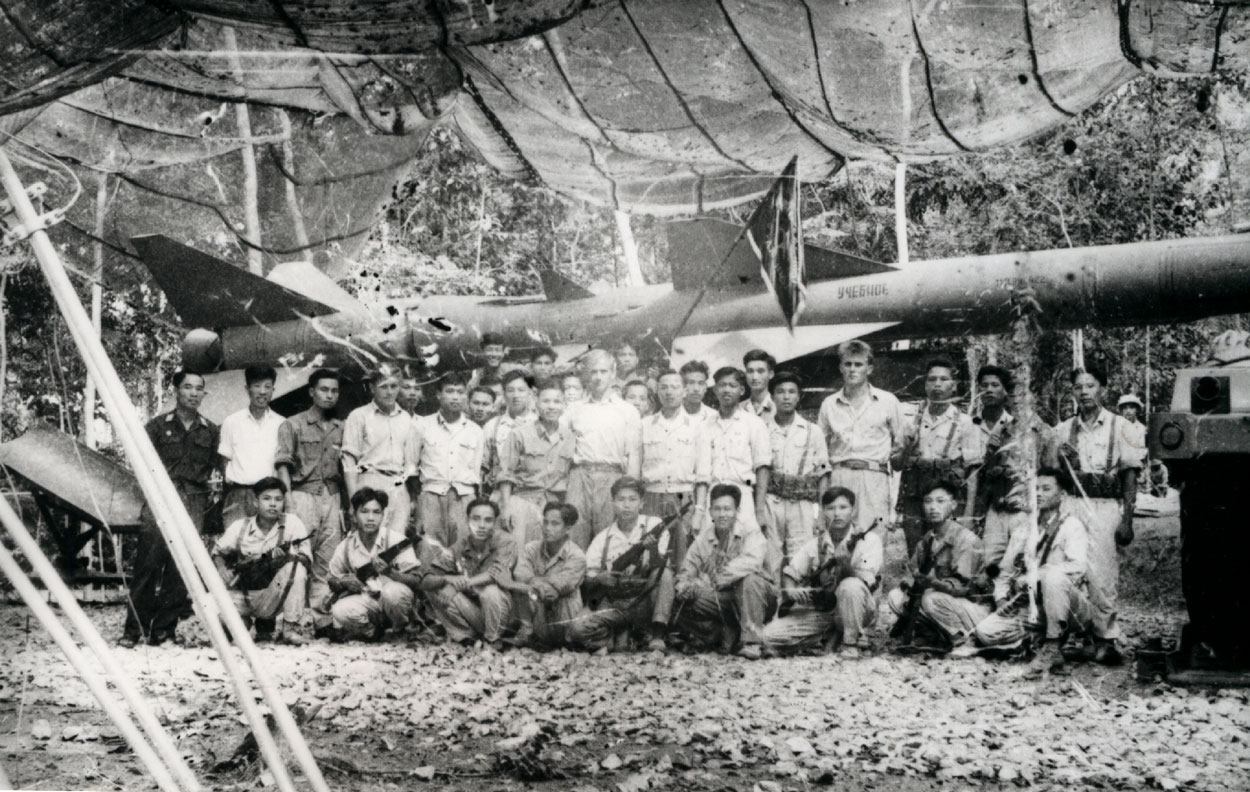
In total, Moscow supplied the DRV with 7,000 guns and mortars, 2,000 tanks, 700 aircraft, over 100 helicopters, more than 5,000 anti-aircraft guns and 95 S-75 anti-aircraft missile systems. More than ten thousand Vietnamese officers and soldiers were sent to the USSR for military training and training in the use of modern Soviet equipment. In addition, the USSR supplied its ally with food, oil, vehicles, iron, steel and fertilizers. Almost the entire air defense system of Vietnam, which was later assessed by the enemy as impassable for any type of fighter, was built at the expense of the USSR and by Soviet specialists.
The outcome of the war was the conclusion of a peace treaty and the withdrawal of American troops from South Vietnam. In March 1973, their last military units left the region. The Soviet side during the fighting tested a number of new air defense systems and other weapons, and also received captured samples of American weapons. South Vietnam was annexed to North Vietnam. The new state was named the Socialist Republic of Vietnam.
Did you know that:
- In 1941, several Vietnamese Communist volunteers participated in the defense of Moscow among the militia. Some ethnic Vietnamese served in the NKVD.
- Total irretrievable Soviet losses during the Vietnam War amounted to 13 people. Americans lost killed and missing 60 thousand people. In total," 2.5 million American troops passed through Vietnam.
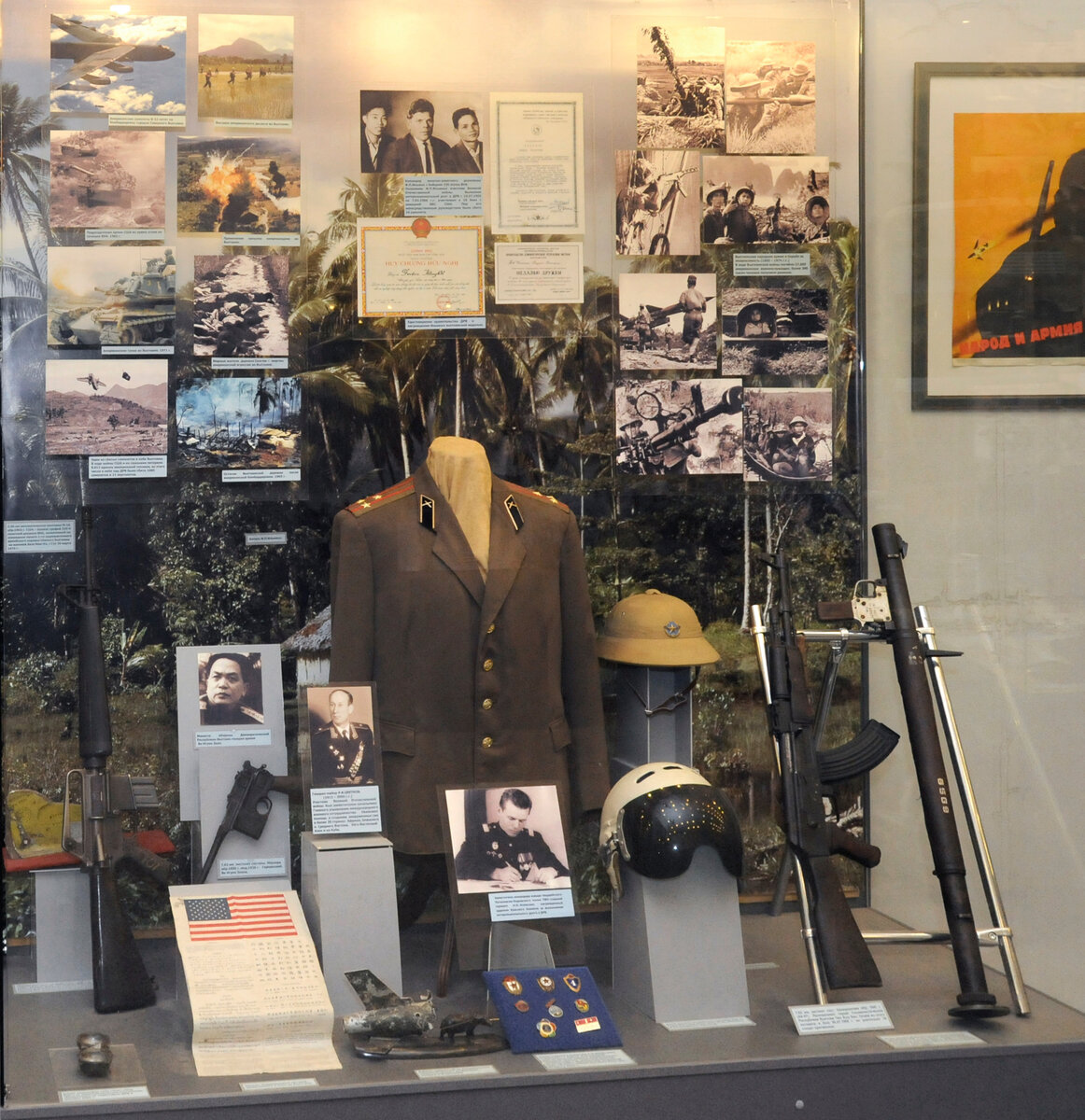
- In our museum, a showcase in Hall 21 is dedicated to the events of the Vietnam War. There are samples of small arms of that time, a tunic with shoulder straps of the Soviet colonel of the rocket forces and artillery, a representative of the Group of Soviet Military Specialists in the DRV F. P. Ilinykh, an American ball-type bomb "Wasp", helmets of Vietnamese servicemen and other exhibits.
Source: https://dzen.ru/a/ZCwuPF5QWGAhUygj