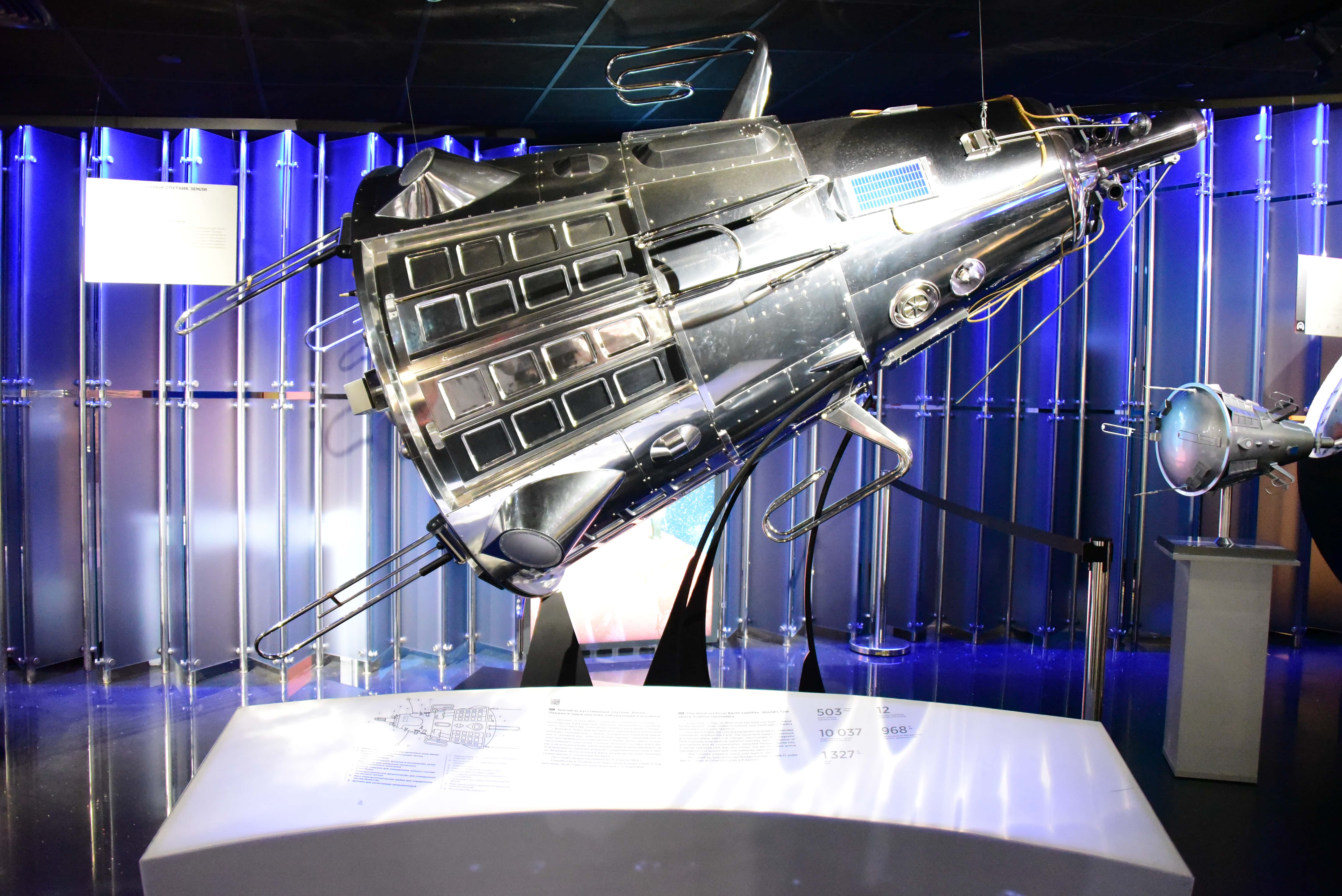
69 years ago, on October 4, 1957, the Soviet Union successfully launched Sputnik I. The world's first artificial satellite, twice the size of a basketball with a diameter of 58 cm, featured four whip-like radio antennas with springs, weighed 83.6 kg, and took approximately 98 minutes to orbit Earth in an elliptical trajectory at an altitude of 900 km. The two chief designers of Sputnik I were Sergei Korolev and Kerim Kerimov.
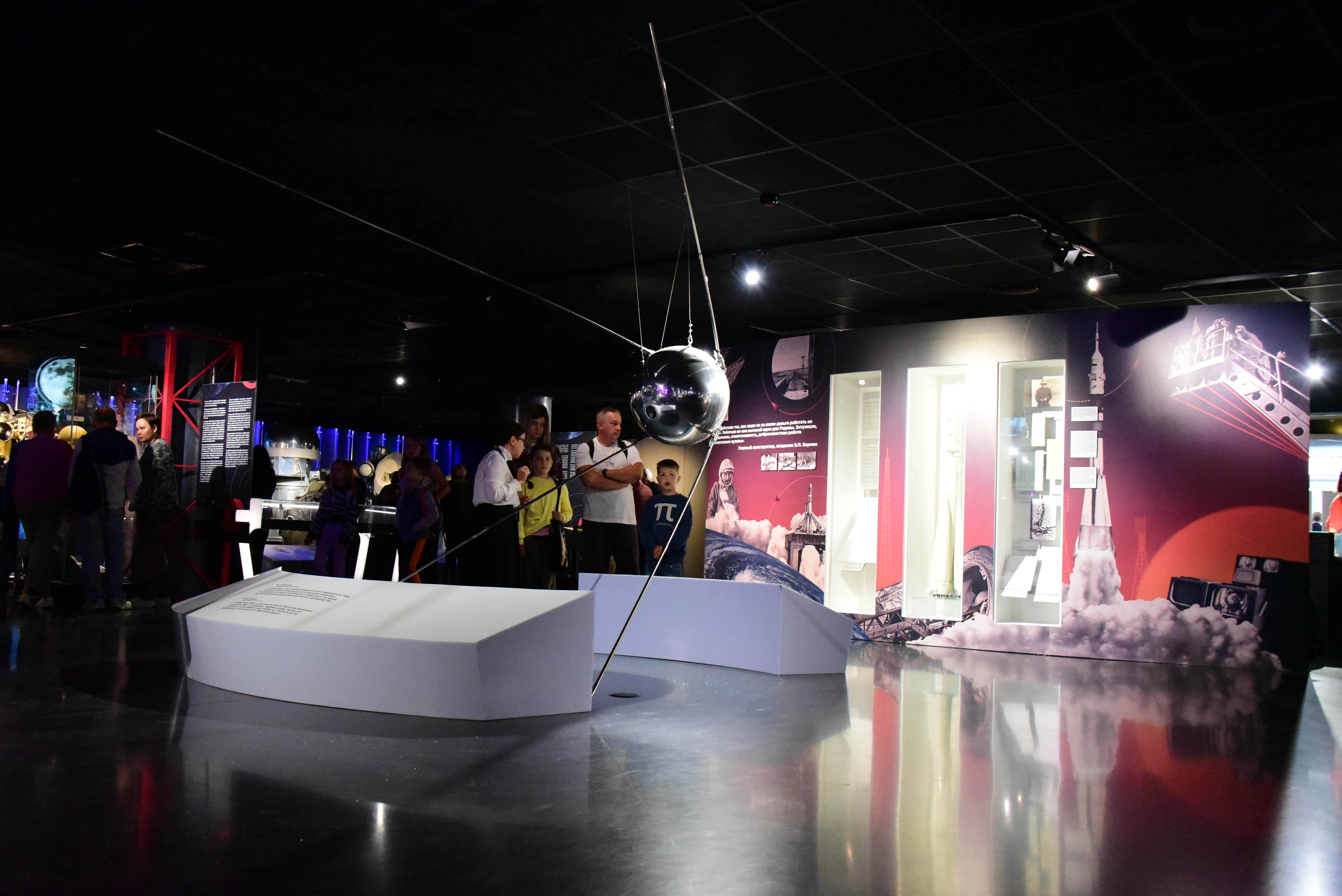
Sputnik and the Dawn of the Space Age
For the first time in thousands of years of observing stars from Earth, humanity has launched a man-made satellite into orbit, ushering in an era of space exploration. From now on, human vision is freed from Earth's narrow geographical limits, reaching out into the vast, infinite cosmos.
As one of the greatest technical achievements of the 20th century, the successful launch of Sputnik I sparked new developments in politics, military, technology, and science, causing a global political shock. Its impact was likened to the atomic bomb dropped by the US on Hiroshima and Nagasaki in August 1945.
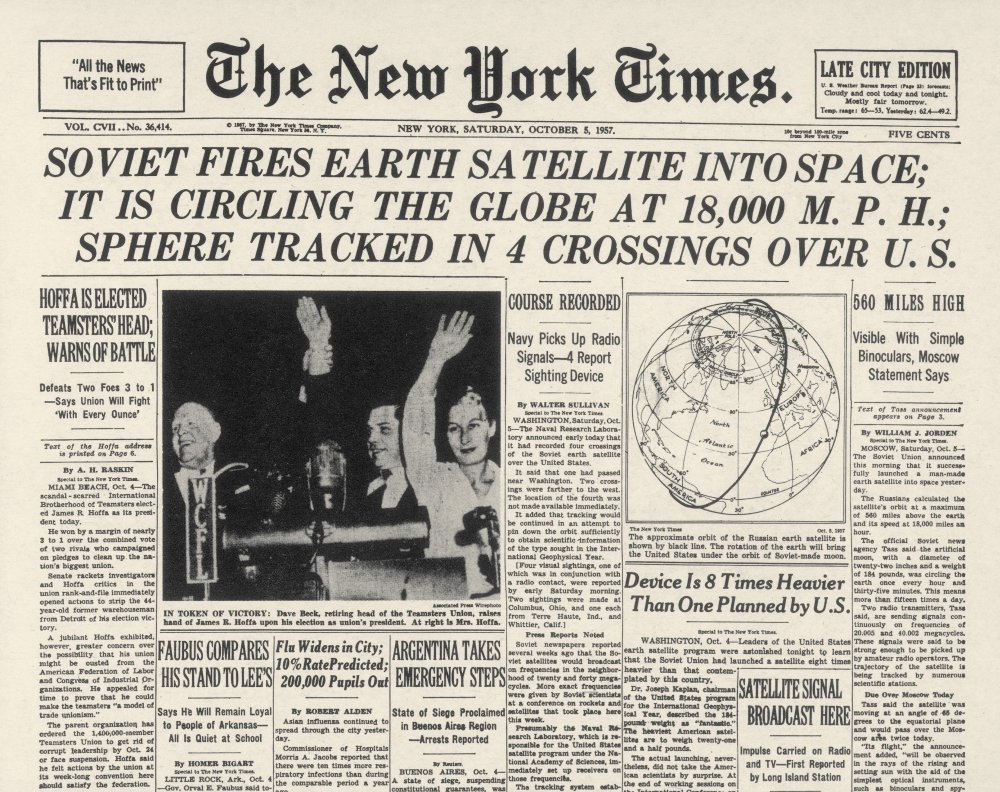
Particularly in Western capitalist nations, leading newspapers covered the event with fervent intensity as a landmark moment. The New York Times, receiving the news late Friday afternoon, October 4, printed a rare three-line headline the next morning, with half-inch-high capital letters spanning the front page:
SOVIET FIRES EARTH SATELLITE INTO SPACE;
IT IS CIRCLES THE GLOBE AT 18,000 M.P.H.;
SPHERE TRACKED IN 4 CROSSINGS OVER U.S.
French reaction was equally ebullient. "Myth has become reality: Earth's gravity conquered," bannered Le Figaro, and went on to report the "disillusion and bitter reflections" of "The Americans (who) have had little experience with humiliation in the technical domain." The Manchester Guardian needed only a couple of days to begin to speculate apocalyptically on what the Russians might now do.
An October 7 editorial titled "Next Stop Mars?", delivered prophetic assumptions, stating, 'The Russians can now build ballistic missiles capable of striking any selected target anywhere in the world.' The West was clearly feeling deeply insecure, linking the Soviet Union's satellite launch capability to the potential for launching ballistic missiles carrying nuclear weapons from Europe to the United States, especially recalling the bombing of Japan 12 years earlier.
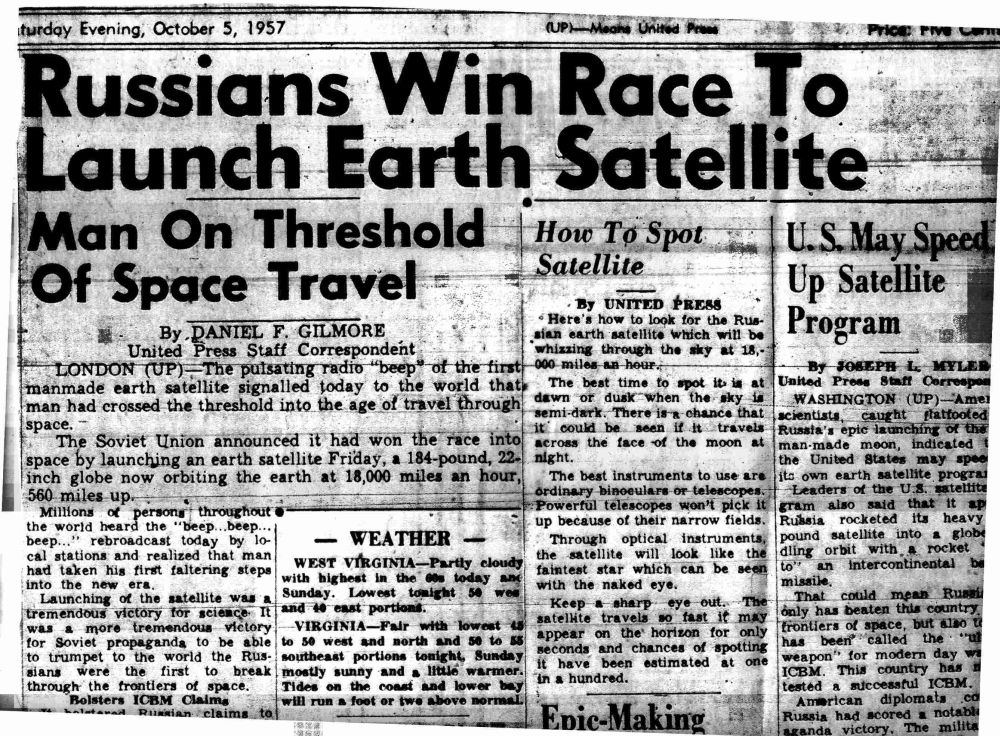
Across the front pages of major newspapers in capitals from Beijing to Warsaw, Paris, Vienna, Rome, London, and even New York, large headlines declared, 'Russians win race.'
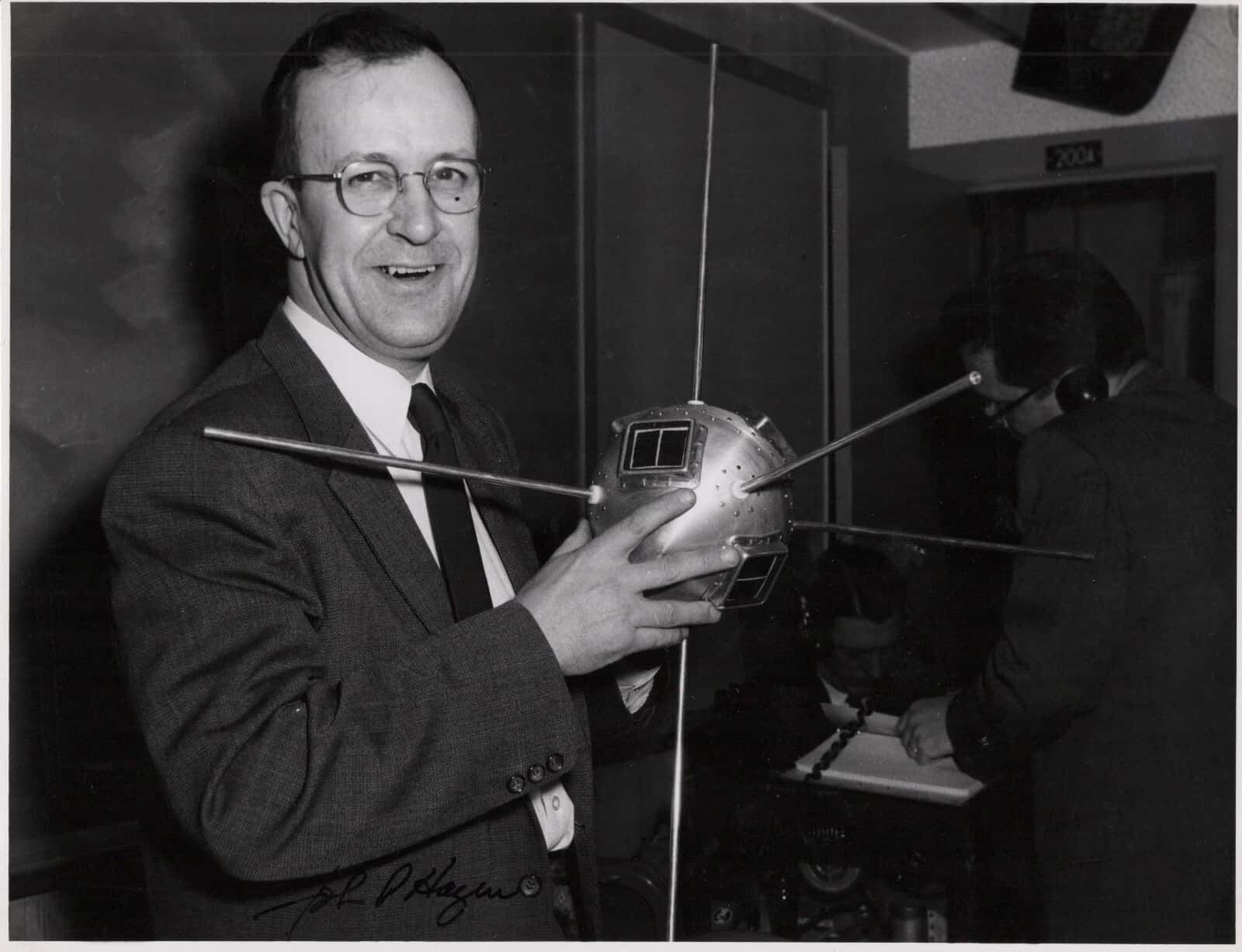
During 'Sputnik Night', as the evening of October 4-5 was called, on the other side of the ballroom at the Soviet Embassy in Washington, an American man with a troubled mind and a pale face upon learning of the successful Soviet satellite launch was Dr. John P. Hagen. He was the senior scientist at the Naval Research Laboratory and director of Project Vanguard, one of two US government projects in the race to launch a satellite into orbit.
While President Eisenhower and other leaders in the current administration reluctantly congratulated the Soviet Union and attempted to downplay the significance of the event, the launch of Sputnik I had a 'Pearl Harbor' effect on American public opinion. It was a shock that the Soviet Union became the pioneer victor ushering in the space age, altering the landscape of the Cold War in the late 1950s. This disparity in capabilities immediately sparked threatening consequences.
U.S. military officials accused that a small beacon emitting steady beeps on Sputnik I, which could be precisely located on the ground via telemetry, was a device used to gather targeting information for Soviet ballistic missiles.
In reality, these interpretations by U.S. military officials were mere paranoia stemming from insecurity and excessive anxiety, as Sputnik I's beeps lasted only three weeks before its radio signals were cut off. After over 1,400 orbits around Earth, the pioneering mission of the first artificial satellite ended when it burned up in the atmosphere following three months in space.
Early sacrifices for space science research
As the nation was still reeling, the Soviet Union launched another blow. On November 3, 1957, less than a month after Sputnik I's successful launch, Sputnik II entered orbit with an even more impressive feat. Weighing over a ton, more than six times Sputnik I's 83.6 kg, it remained operational for nearly 200 days.
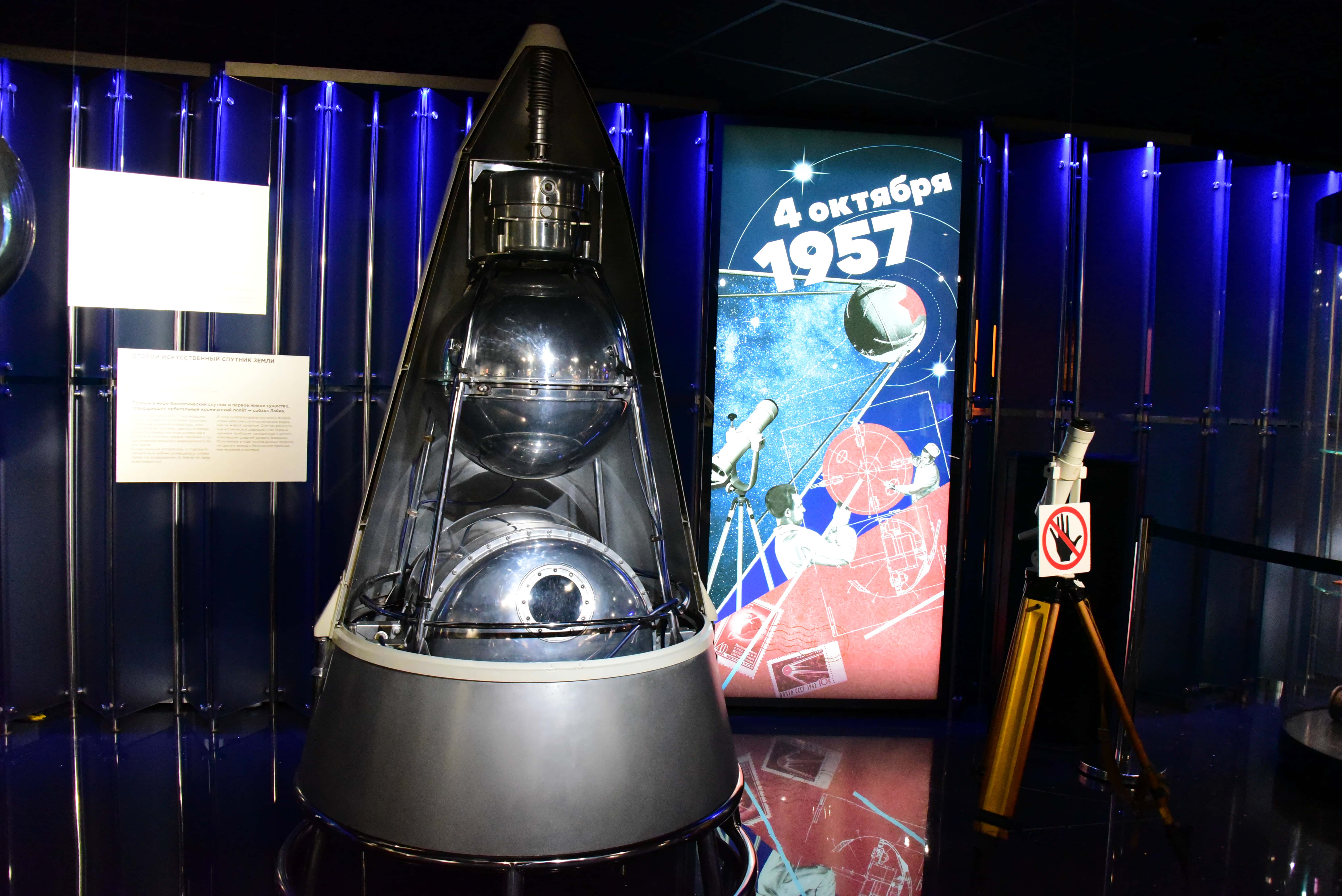
Moreover, this time Sputnik II carried a dog named Laika, who later became one of the legendary names marking a major breakthrough in Soviet space research, as it was the first time a living creature was sent into space.
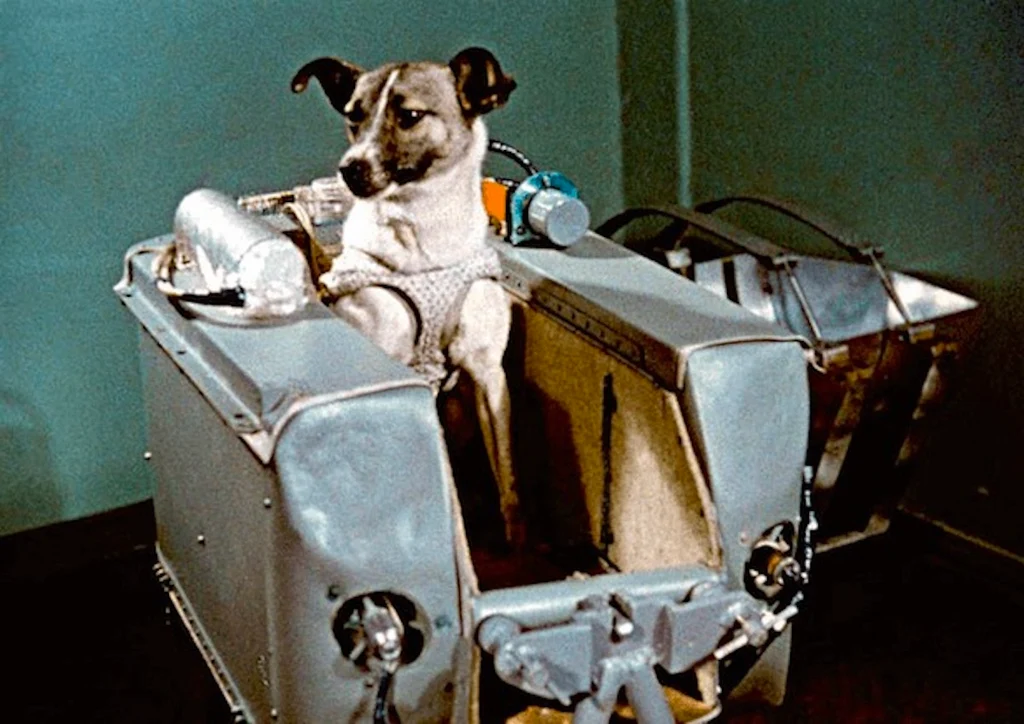
Laika, a two-year-old stray dog from Moscow's streets, was selected as the primary candidate for the Sputnik II mission to study the effects of spaceflight on living organisms. Three criteria established Laika as the top choice for the space exploration mission.
First, endurance: selectors believed that stray dogs surviving Moscow's harsh winters possessed the resilience to adapt to and survive the extreme conditions of space. Second, physical dimensions: she had to be small enough to fit within the launch capsule. Third, the space suit's design, capable of collecting feces and urine, functioned exclusively for female dogs.
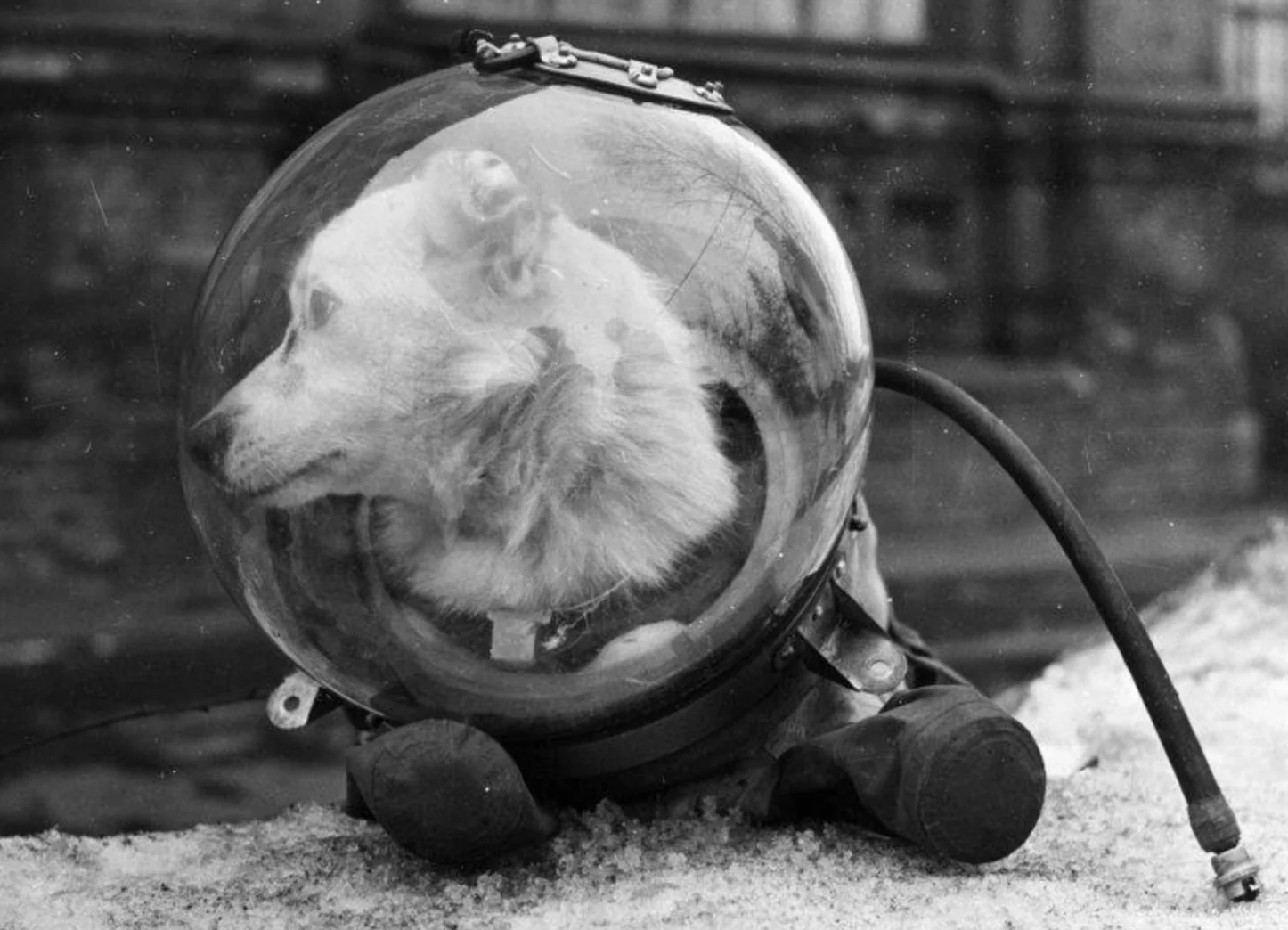
Dr. Vladimir Yazdovsky wrote in his book on Soviet space medicine: "Laika was quiet and charming." He recalled that before launch, Laika was brought to his home to play with his children. Yazdovsky said, "I wanted to do something nice for her. She had so little time left to live."
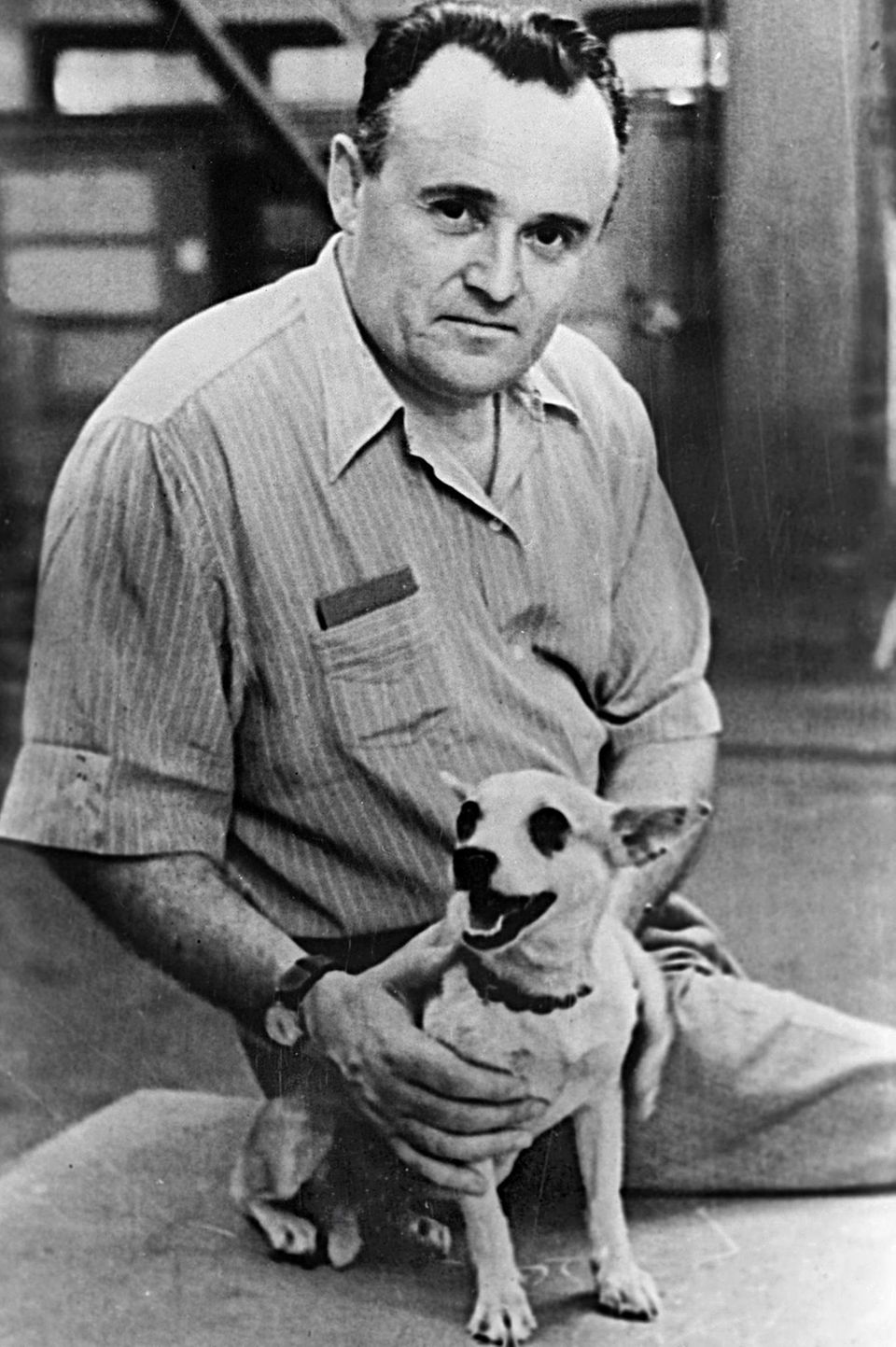
Some scientists believed humans could not survive launch or conditions in outer space, so engineers viewed animal flights as a necessary precursor to future human missions.
The experiment proved that a living organism could survive launch into orbit and endure microgravity, paving the way for human spaceflight and providing scientists with some of the first data on how living organisms react to spaceflight environments.
Since technology for de-orbiting and safely returning to Earth's atmosphere had not yet been developed, Laika's mission was one-way.
In 2008, a small monument was inaugurated at the site where, more than 50 years earlier, Laika's journey had been prepared, as a tribute to the sacrifices made for the advancement of space science research.

Following Laika's space voyage, numerous other dogs continued the mission of space conquest. One of the most traveled dogs, named Otvazhnaya ("the Brave"), accompanied a dog named Snezhinka ("Snowflake") on a suborbital spaceflight on July 2, 1959, before completing five additional successful flights that year.
On July 28, 1960, Bars ("Snow Leopard") and Lisichka ("Little Fox") were selected to follow Laika into orbit, but both perished when their rocket exploded just 28 seconds after launch.
Belka ("Squirrel") and Strelka ("Arrow") were the next successful canine cosmonauts, spending a day in space on August 19, 1960, aboard Sputnik 5. Additional passengers on Sputnik 5 included a gray rabbit, 42 mice, two rats, flies, and various plants and fungi.
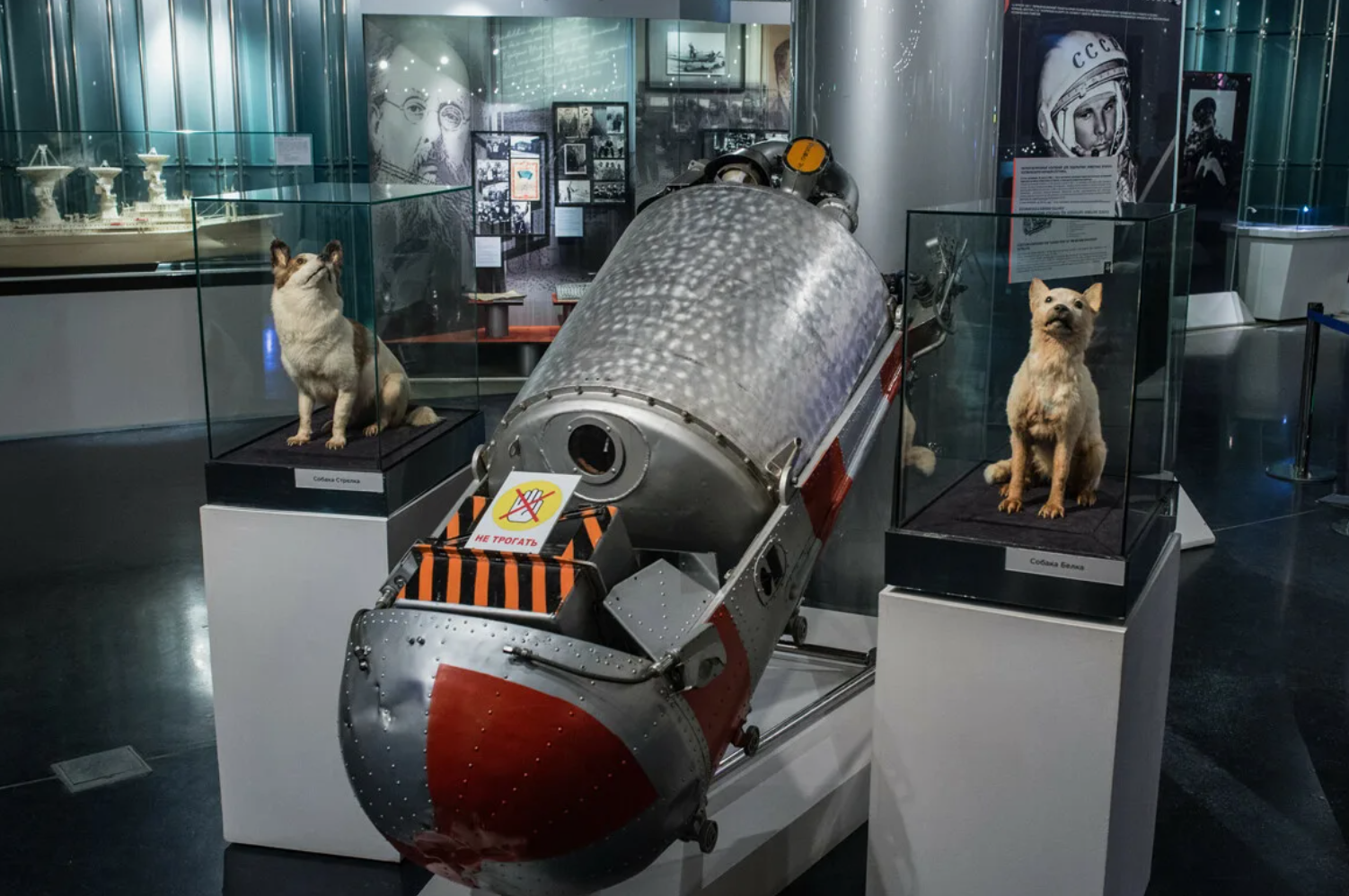
All animals survived their return to Earth on August 20, 1960. Strelka subsequently gave birth to six puppies, fathered by Pushok, a male dog kept around the research facility, which participated in many ground-based experiments without traveling into space. One of the puppies was named Pushinka ("Fluffy") and was given by Khrushchev to Caroline, daughter of U.S. President John F. Kennedy, in 1961.
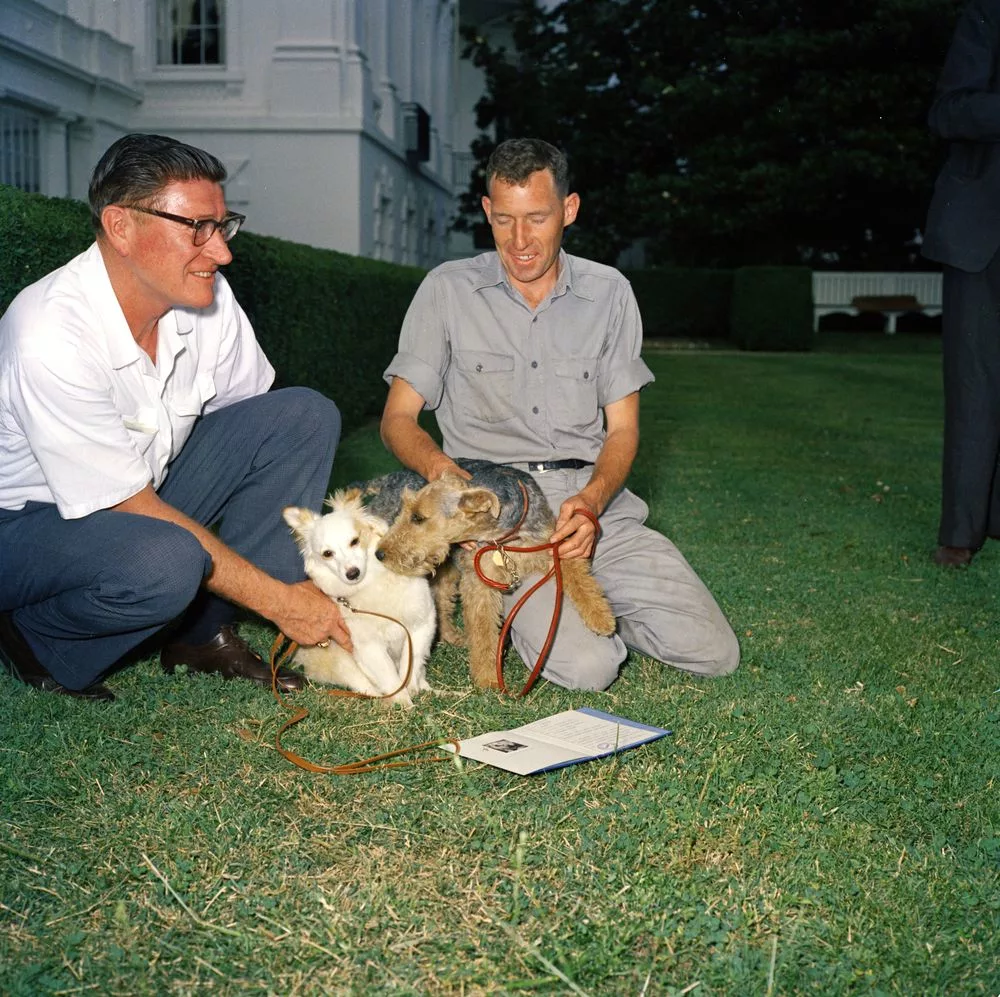
Initially, Kennedy's staff kept the dog away from the White House, fearing its body might contain a listening device. However, after a medical examination, it was welcomed inside, winning the heart of another Kennedy dog, Charlie. Together, they produced a litter of puppies, which Kennedy affectionately dubbed 'pupniks'.
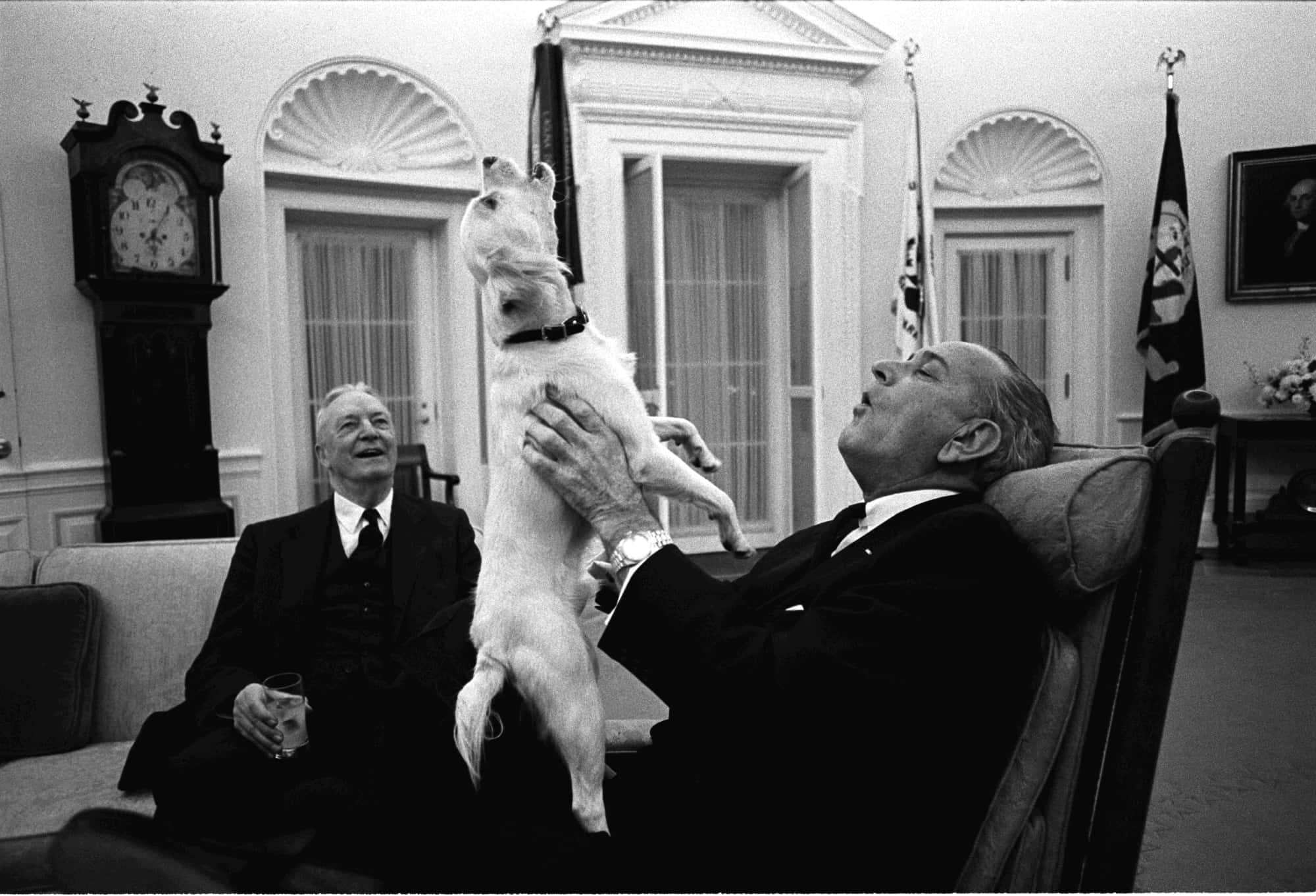
Their descendants still exist today. Belka and Strelka were later honored in 2010 through an animated film titled Space Dogs. The successful journey of Belka and Strelka paved the way for the legendary flight of Yuri Gagarin a year later.
Khrushchev's barbed remarks and America's humiliating defeat
The success of Sputnik I and Sputnik II exerted immense pressure on both the White House and the Pentagon. Michigan's Democratic Governor G. Mennen Williams even composed a poem titled "Sputnik," not to celebrate Soviet achievements but to attack the Eisenhower administration, as follows:
Oh little Sputnik, flying high
With made-in-Moscow beep,
You tell the world it's a Commie sky
and Uncle Sam's asleep.
You say on fairway and on rough
The Kremlin knows it all,
We hope our golfer knows enough
To get us on the ball.
The Eisenhower administration faced sharp criticism for allowing the Soviet Union to surpass the U.S. in the space race. George Kennan, former U.S. ambassador to the Soviet Union, renowned worldwide for his long telegram, wrote in his memoirs:
That the dangerousness and expensiveness of this competition should be raised to a new and higher order just at the time when the prospects for negotiation in this field were being worsened by the introduction of nuclear weapons into the armed forces of the Continental NATO powers was a development that brought alarm and dismay to many people besides myself.
Following the Sputnik I and II launches, Senate Majority Leader Lyndon B. Johnson of Texas held hearings before a subcommittee of the Senate Armed Services Committee on November 25, 1957 to review all U.S. defense and space programs. One of Johnson's aides, George E. Reedy, summarized the sentiments of many Americans:
The simple fact is that we can no longer consider the Russians to be behind us in technology. It took them four years to catch up to our atomic bomb and nine months to catch up to our hydrogen bomb. Now we are trying to catch up to their satellite.
In the Soviet Union, following two consecutive successful launches, leader Nikita S. Khrushchev, First Secretary of the Communist Party of the USSR, could not resist taunting the Americans. In a speech at the 40th anniversary celebration of the Revolution on November 6, he said:
It appears that the name Vanguard reflected the confidence of the Americans that their satellite would be the first in the world. But...it was the Soviet satellites which proved to be ahead, to be in the vanguard...In orbiting our earth, the Soviet sputniks proclaim the heights of the development of science and technology and of the entire economy of the Soviet Union, whose people are building a new life under the banner of Marxism-Leninism.
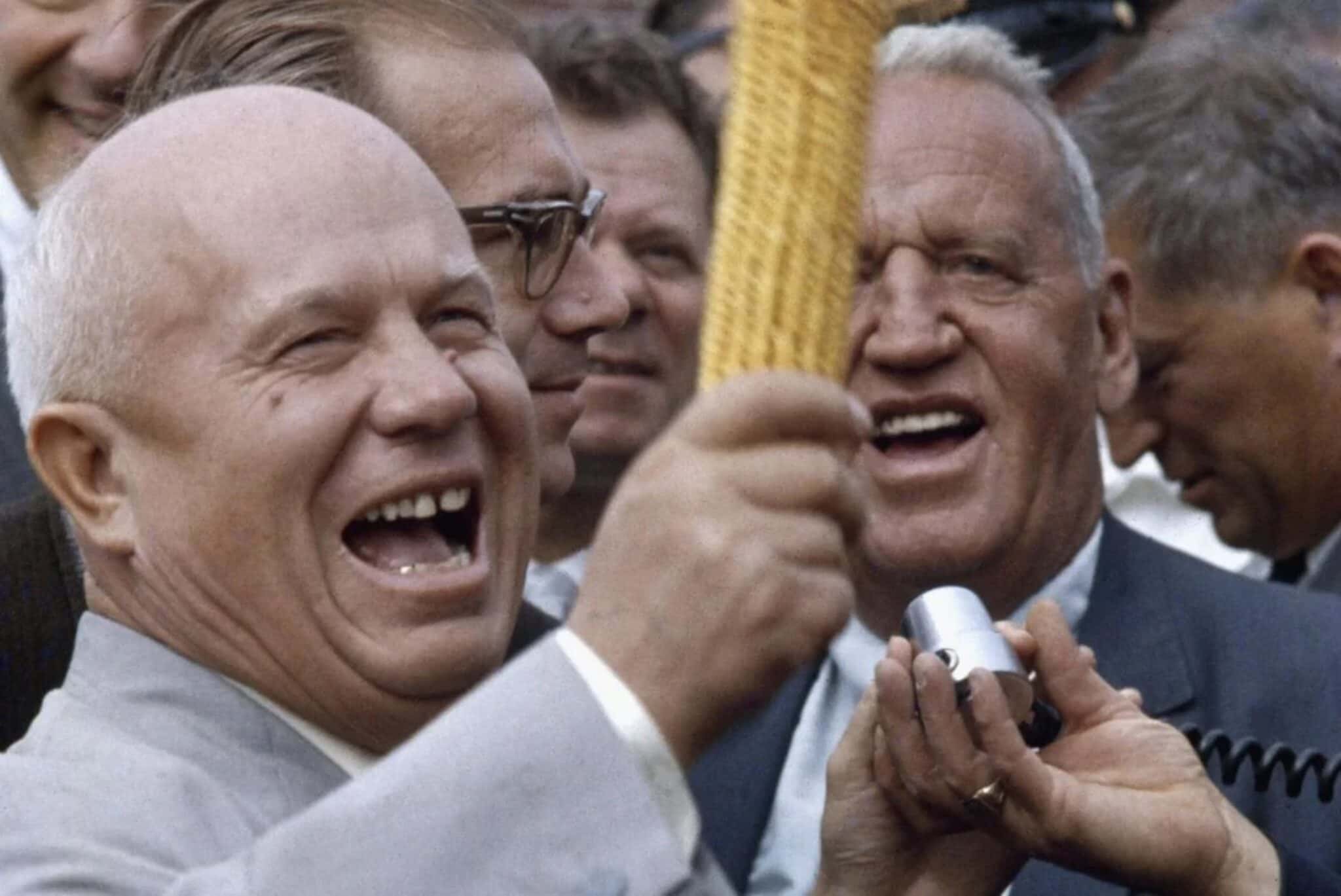
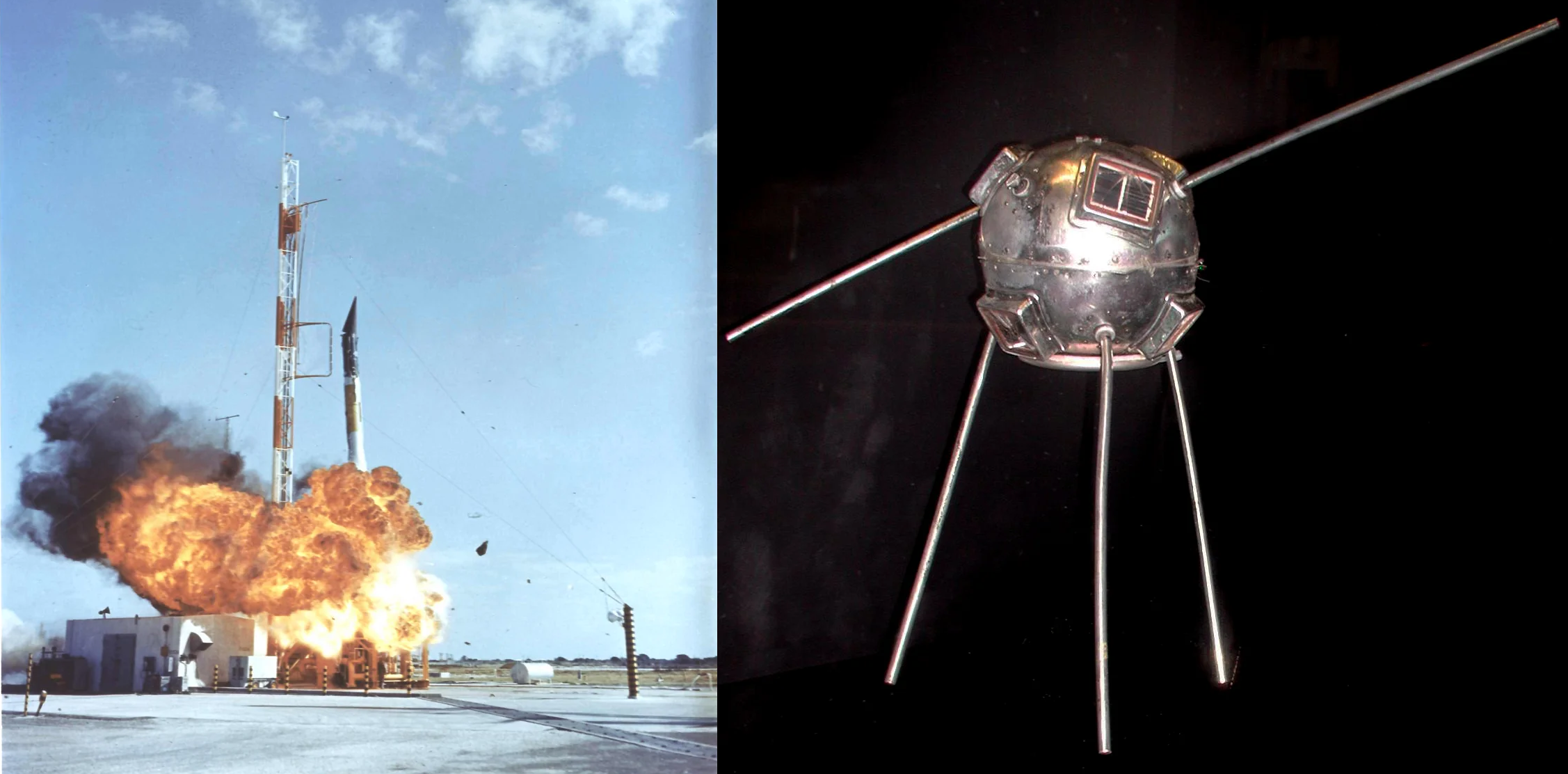
Under public pressure, the White House announced that the United States would test-launch a rocket from the Vanguard project on December 6, 1957. Media were invited to witness the launch, hoping it would restore public confidence.
But contrary to expectations, the reality dealt a harsh blow to Americans. The first attempt to launch the Vanguard satellite failed spectacularly before a worldwide live television audience on December 6, 1957. This failure was even more bitter for Americans as it occurred just... 34 days after the successful launch of Sputnik II.
Eagerness to retaliate against the Soviet Union and American pride led to a mistake. The three-stage rocket for the Vanguard satellite, named TV-3, was initially planned only as a test. But under pressure from Sputnik, the 'test' was moved up by several months and became an official satellite launch attempt.
Vanguard TV-3 was launched from Cape Canaveral. Within seconds, the rocket lost thrust, rose only four feet, and fell back onto the launch pad in a fiery explosion. The satellite payload was thrown clear and lay on the ground emitting beeps, a symbol of failure.
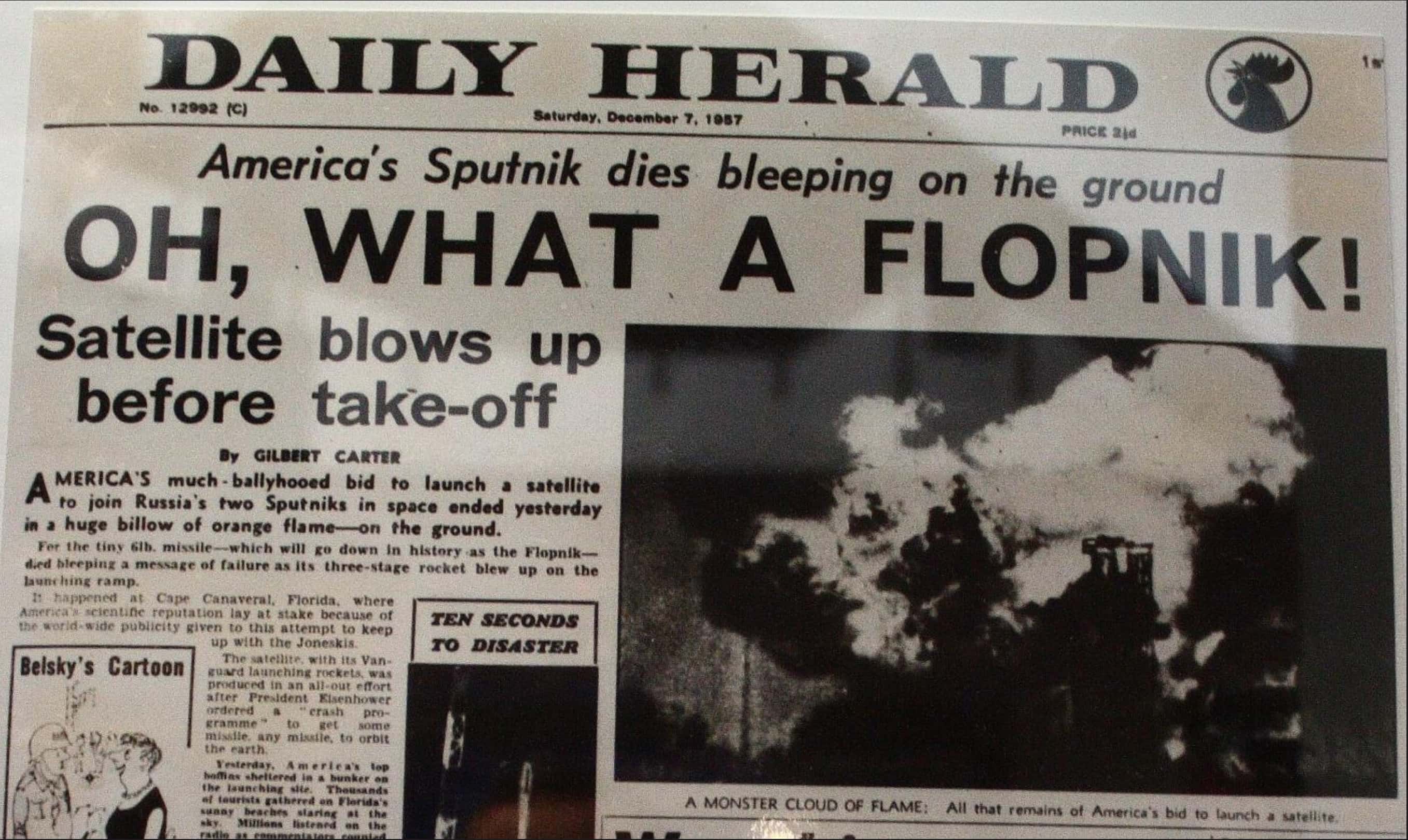
The press immediately latched onto the failure, mocking it with terms like "Flopnik," "Kaputnik," and "Puffnik." A large headline on the front page of the Daily Herald proclaimed, "OH, WHAT A FLOPNIK!"
John Hagen, a key figure who labored intensively in the preparation of the rocket launch, suffered a significant loss of morale. His spirits deteriorated further following a subsequent test. On February 5, 1958, Vanguard reached an altitude of four miles before exploding. Hagen, disheartened by repeated humiliating failures, saw his career effectively end at that moment, and he never held any significant position again.
Germans' crucial role in America's first space achievement
After the humiliation of Vanguard, attention quickly turned to Wernher von Braun and his team of rocket scientists. These were all Nazi German scientists brought to the U.S. during the infamous Operation Paperclip, to avoid facing the Nuremberg trials that punished Nazi crimes after WWII. Von Braun joined the Nazi Party in 1937 and became an SS officer in 1940. After the Vanguard failure, political concerns were set aside, and he was quickly given the green light to continue developing the Jupiter-C rocket, becoming the head of the space program. This decision changed the trajectory of U.S. space efforts.
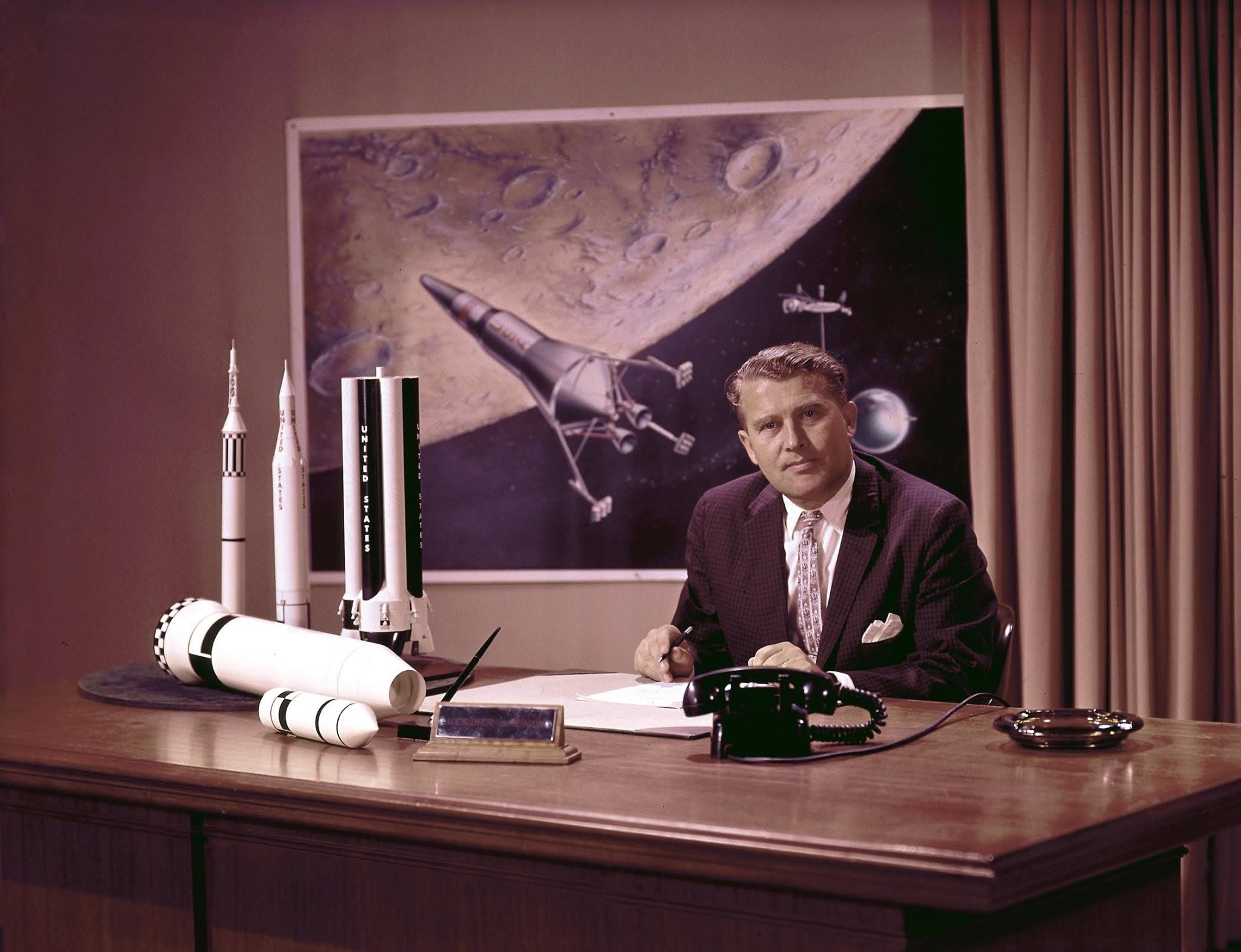
Just weeks after the Vanguard incident, von Braun's team successfully launched Explorer 1 on January 31, 1958, officially putting the United States into space. Explorer I, weighing 14kg, was only one-sixth the mass of Sputnik I's 83.6kg. However, it carried a crucial instrument that Sputnik I lacked: a small device called a Geiger-Müller counter, designed to measure radiation surrounding Earth.
On March 26, 1958, Explorer III was successfully launched. Through the Geiger-Müller counter, on May 1, 1958, James A. Van Allen, a physicist from the University of Iowa, announced that Earth was surrounded by a radiation belt beginning at approximately 800 km altitude, later known as the Van Allen belt. However, at that time, the scientist did not know he had only discovered the inner radiation belt.
Subsequent in-depth studies also found the outer radiation belt, which extends at an altitude of 24,000 km. Additionally, nuclear weapons tests in the atmosphere by both the Soviet Union and the United States conducted between 1958 and 1962 at altitudes from 25 to 400 km stimulated the release of high-energy particles into near-Earth space, slightly altering the configuration of Earth's magnetosphere. According to scientists, the appearance of this artificial radiation belt could cause some satellites in low orbit to be lost.
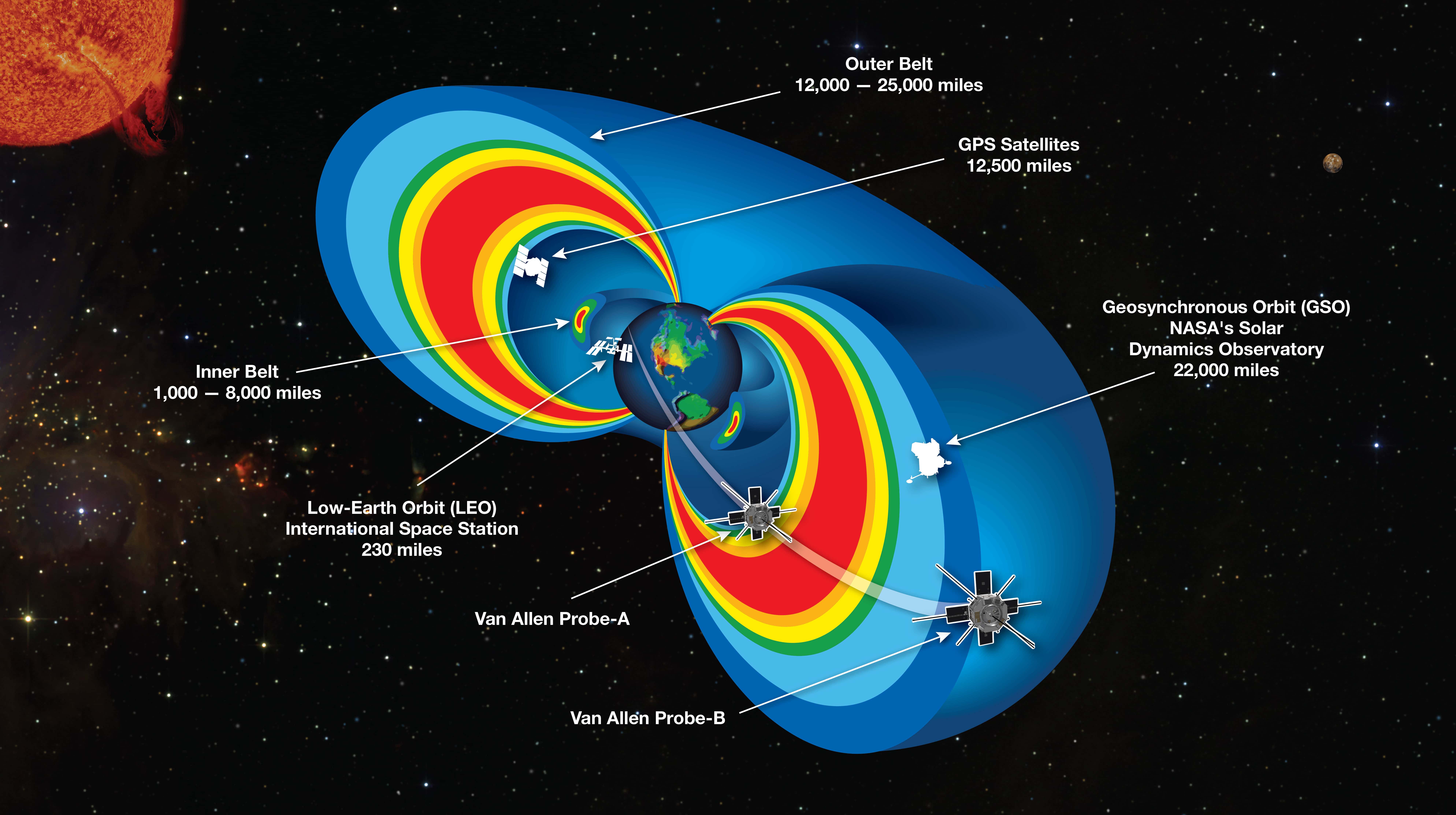
In the late 1950s, it was determined that most particles forming the Van Allen belts originate from the Sun via solar wind, while others were thought to come from galactic radiation. These trapped energetic particles create extremely high radiation levels, posing danger to unprotected living tissue. Thanks to the high-energy particles trapped in the Van Allen belts, life on Earth is protected from cosmic radiation.
On May 15, 1958, the successful launch of the 1.5-ton Sputnik III heightened Western concerns. President Eisenhower, along with his science advisor James Killian, concluded that a dedicated civilian space agency was necessary. On July 29, 1958, the decision to establish NASA was announced. NASA began operations on October 1, 1958, less than a year after the launch of Sputnik I. Its first mission was to develop a human space exploration program.
Regarding Sputnik III, despite its successful launch, a malfunctioning radiation measurement device meant Soviet scientists missed the opportunity to map the cosmic radiation belts. Sergei Vernov, a prominent Soviet physicist, was deeply disappointed by the failure. Subsequently, a joke about the event circulated:
The radiation belts are called the Van Allen-Vernov belts. What did Vernov do? He discovered the Van Allen belts.
The legendary flight of Yuri Gagarin and mankind's first records
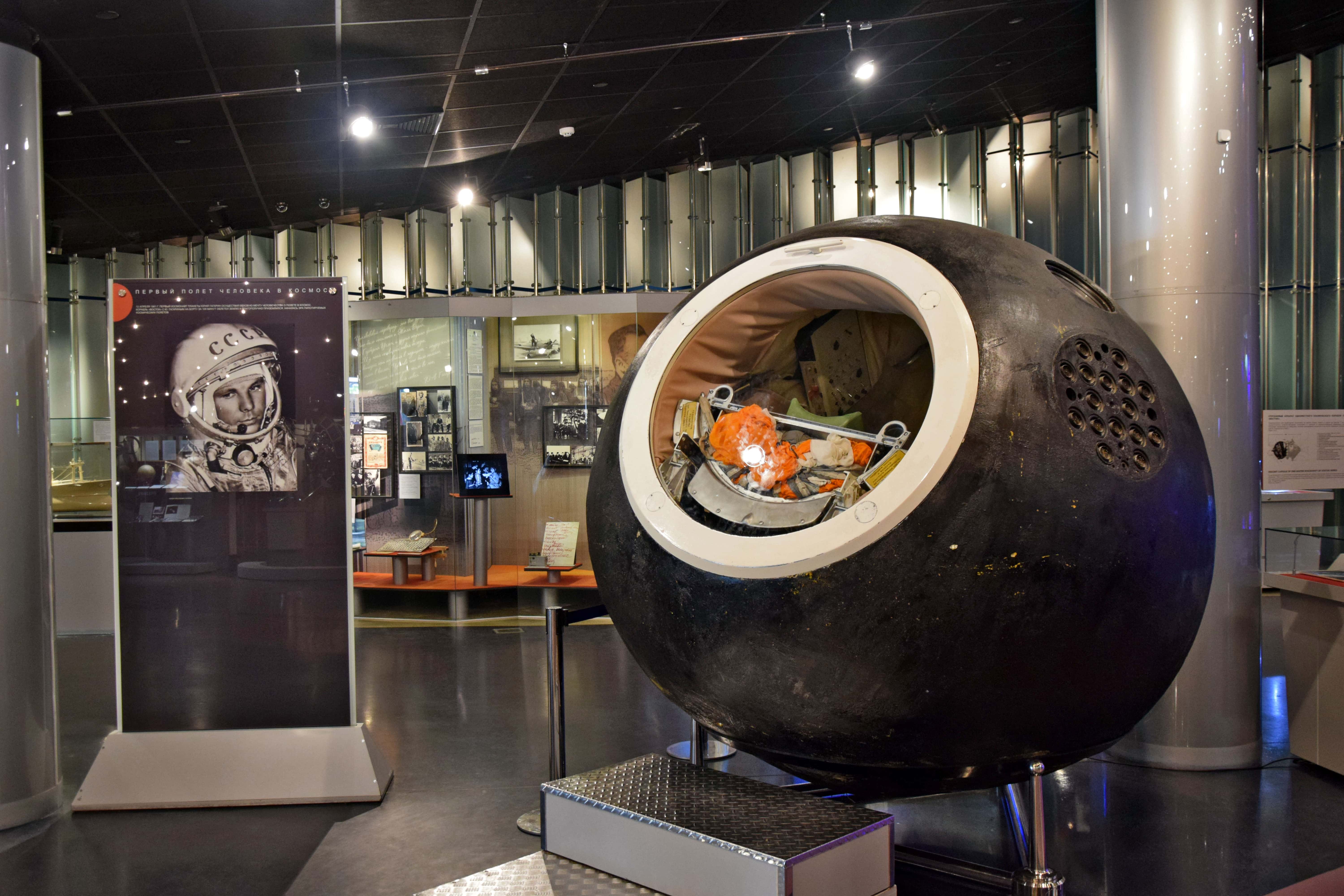
At 9:07 a.m. on April 12, 1961, the R7 rocket's engines roared to life, and the Vostok-1 spacecraft, piloted by Gagarin, lifted off from the Baikonur Cosmodrome. Inside the capsule, Gagarin shouted the triumphant 'Poyekhali!' [meaning 'Let's go!'] - a simple phrase that became a great symbol of mankind's quest to conquer space.
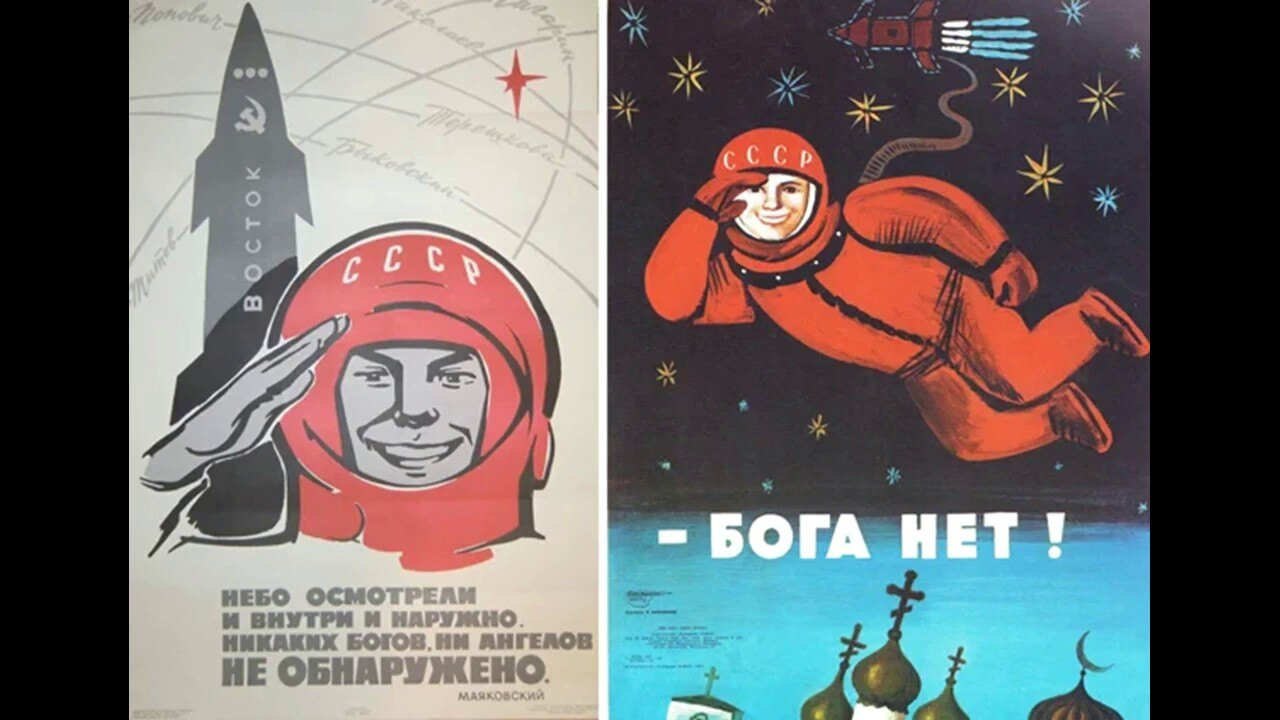
When the world heard Gagarin's voice from space, humanity realized that through human hands and minds, great achievements are possible without reliance on any deity. Moreover, we should not fear the universe but rather explore it.
The success of the Soviet space program in sending the first human into space dealt a significant blow to the prestige of the United States, which had planned its first spaceflight for May 1961. Moreover, Gagarin orbited Earth, an achievement the U.S. program only matched in February 1962, when astronaut John Glenn completed three orbits in Friendship-7. By then, the Soviet Union had already extended its lead in the 'space race' with the flight of cosmonaut Gherman Titov aboard Vostok-2 in August 1961. Titov circled the planet 17 times and became the first person to spend over 25 hours in space.
On August 11, 1962, Vostok 3 carried Andriyan Nikolayev into orbit, launching just one day before Vostok-4 with Pavel Popovich. These missions constituted the first simultaneous flight of two spacecraft, with both cosmonauts returning to Earth days later. Vostok-5, launched on June 14, 1963, carried Valery Bykovsky for nearly five days, setting a record for the longest solo flight at the time.
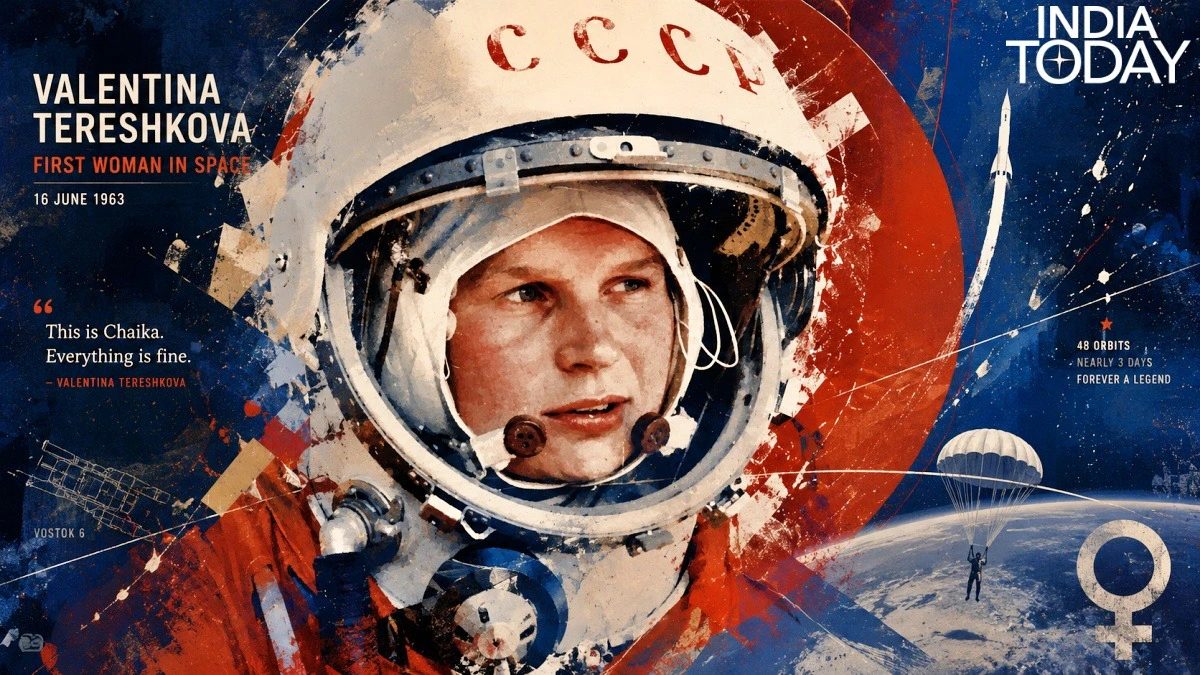
Vostok-5 also flew in conjunction with Vostok 6, launched two days later on June 16, 1963, carrying Valentina Tereshkova, the first woman in space.
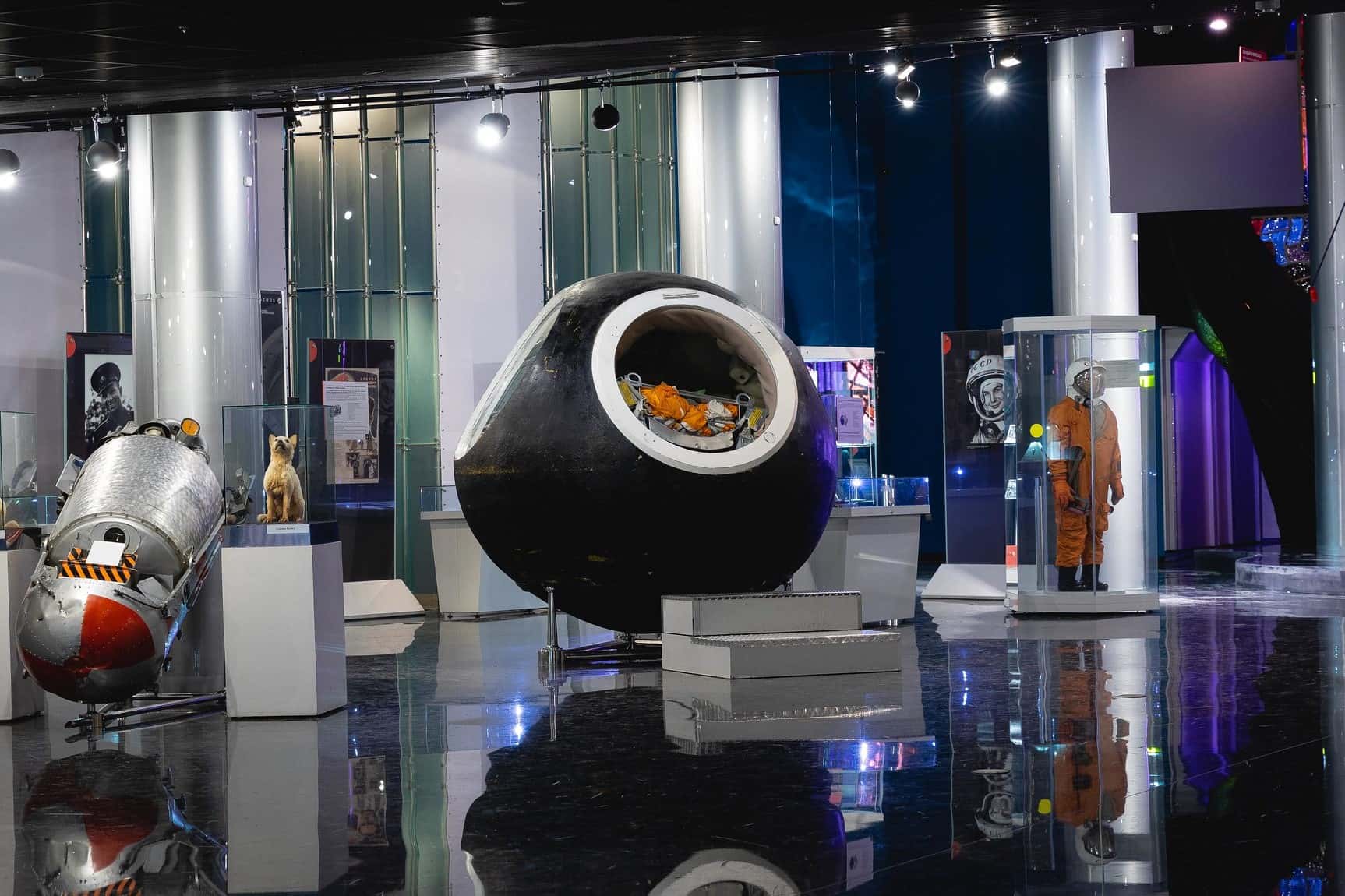
Building on the historical successes of Vostok, the Soviet Union continued its list of firsts with the Voskhod program, consisting of only two missions. Voskhod 1, launched on October 12, 1964, became the first spacecraft to carry a multi-person crew into space, sending Vladimir Komarov, Konstantin Feoktistov, and Boris Yegorov into orbit for just over a day. Voskhod 2 was launched on March 18, 1965, carrying Pavel Belyayev and Alexei Leonov into space for more than a day. During this flight, Leonov also performed the first spacewalk in human history.
On January 16, 1969, Soviet spacecraft Soyuz-4 and Soyuz-5 executed the world's first docking of two manned spacecraft in Earth orbit. Soyuz-4 was launched on January 14 with cosmonaut Vladimir Shatalov, while Soyuz-5 was launched on January 15 with Boris Volynov, Alexei Eliseev, and Evgeny Khrunov.
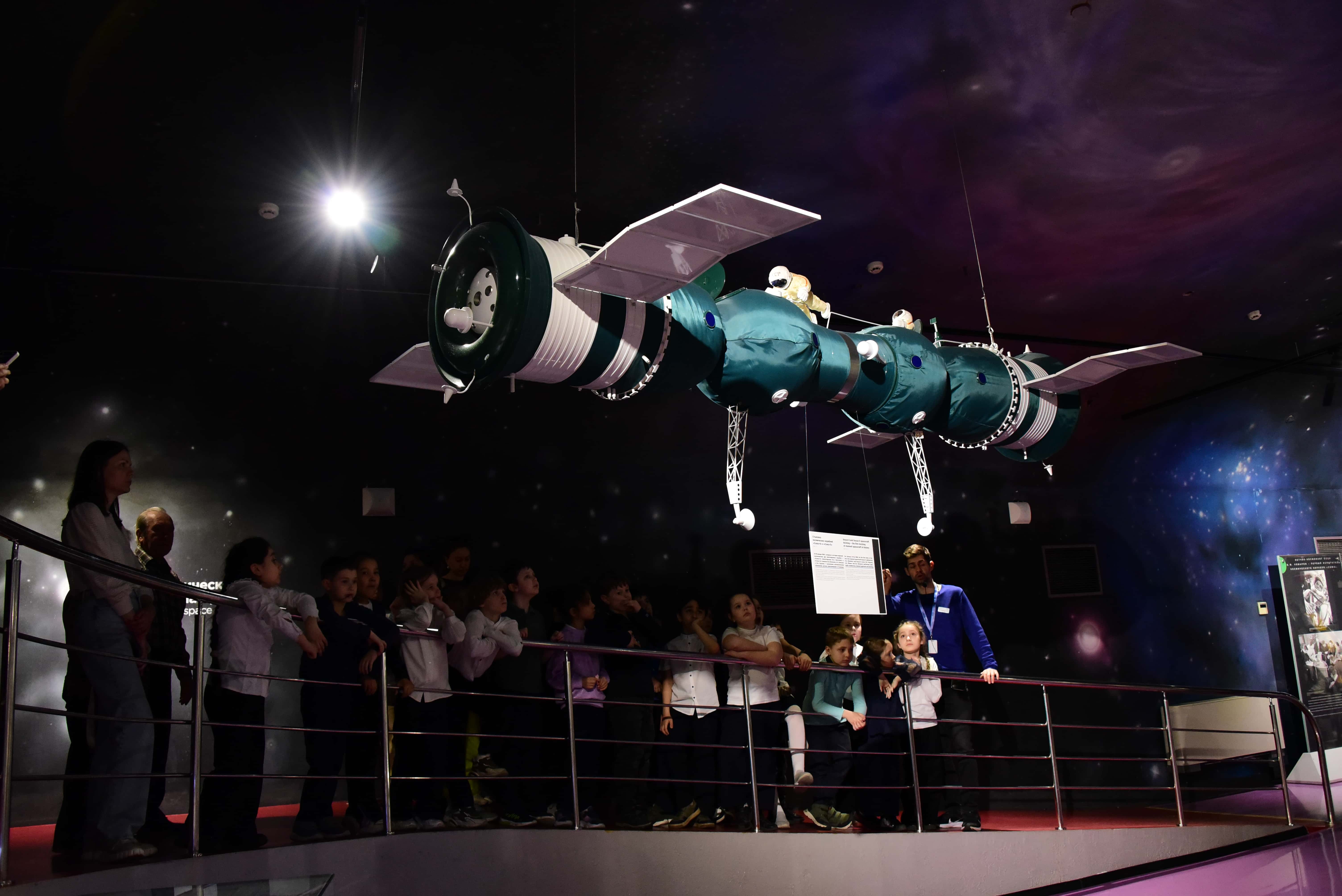
Cosmonauts Eliseev and Khrunov conducted a spacewalk from the Soyuz-5 spacecraft to the Soyuz-4. This event laid the foundation for the creation of the first space station named Salyut.
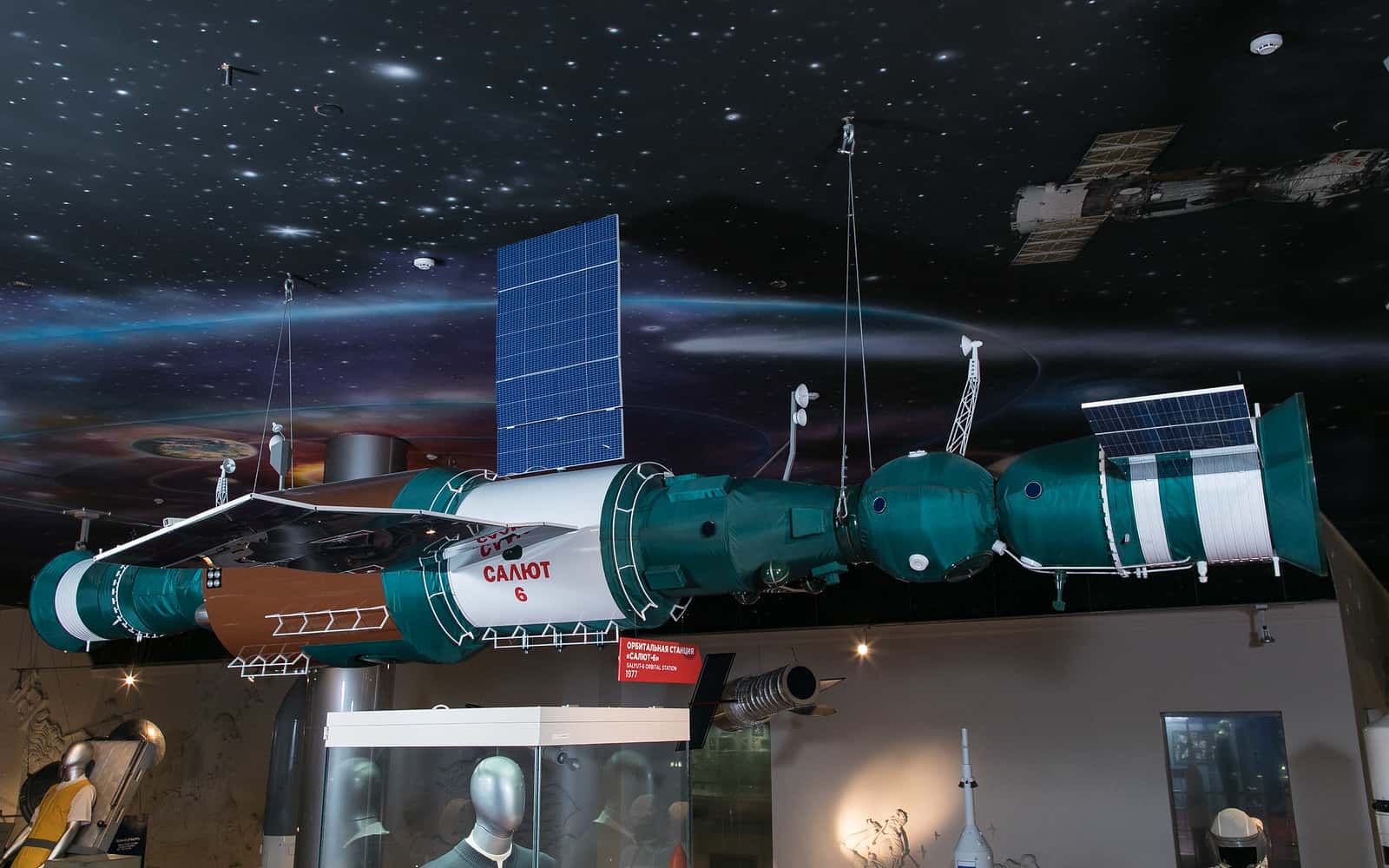
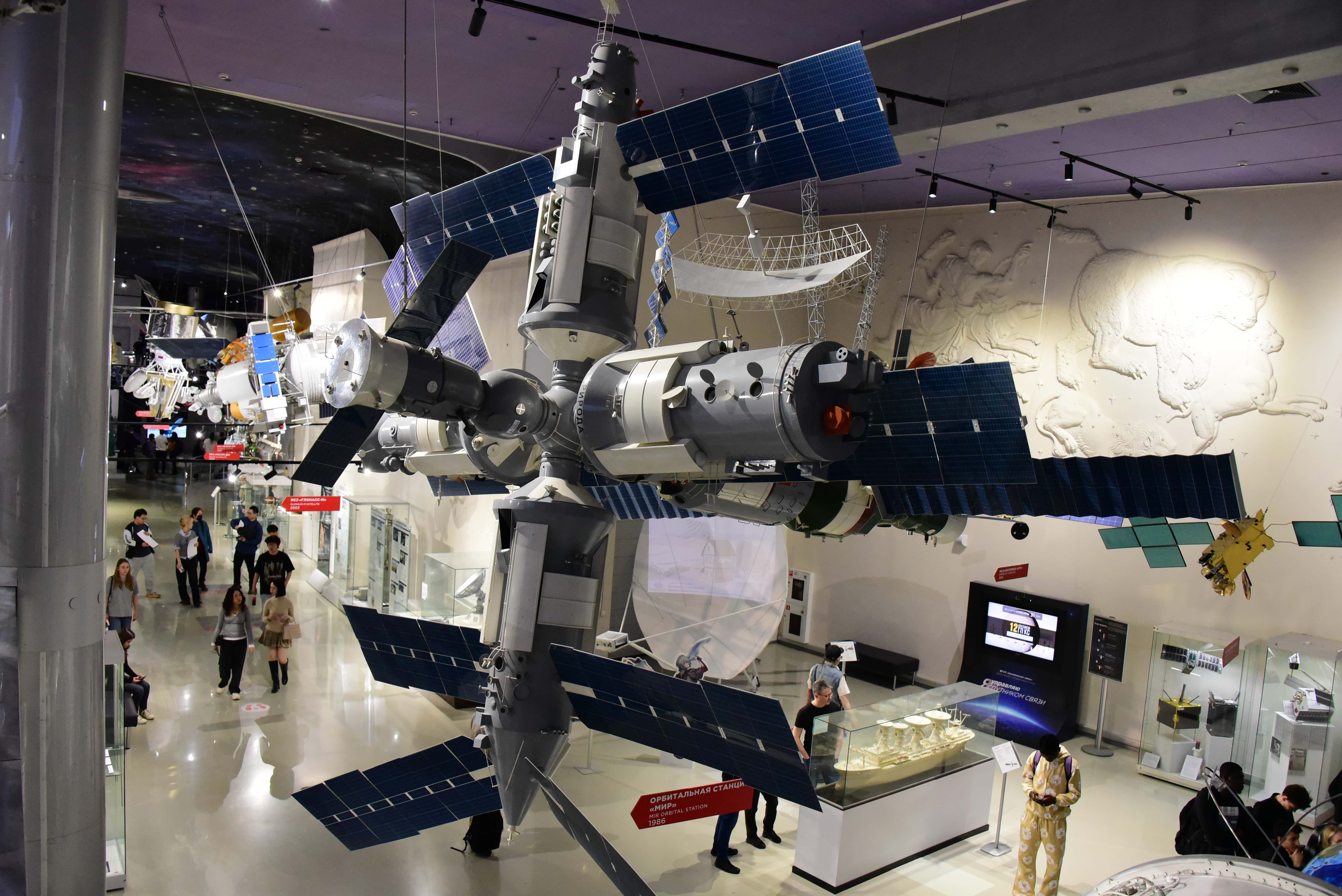
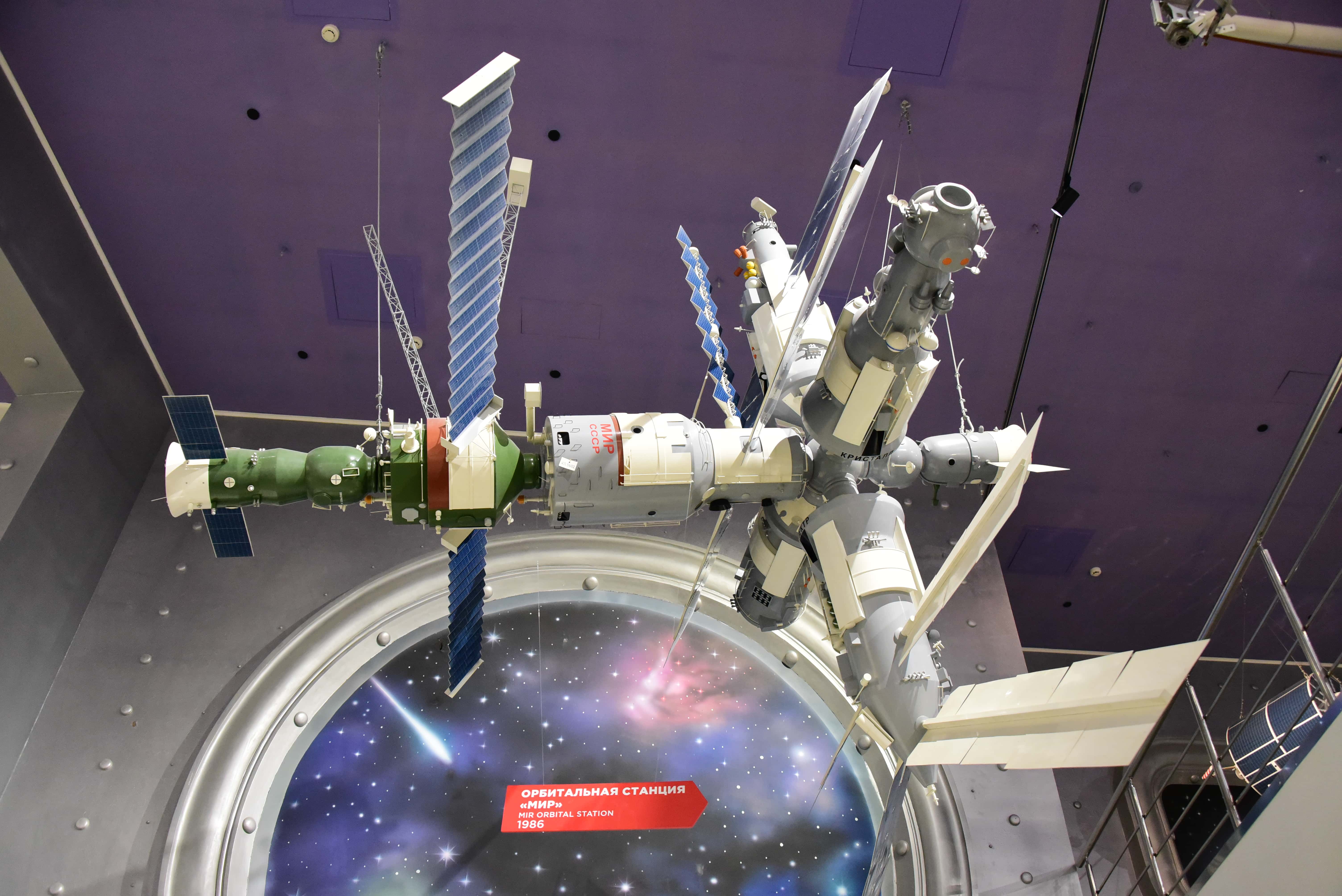
Building on the successes of the Salyut series, the Mir space station became the first long-term, multi-modular space station in history. Mir ultimately boasted six modules capable of supporting a crew of three for extended missions and even larger crews for short-term stays. Operating from 1986 to 2001, Mir supported crews until 2000.
Soviet Luna Missions
After Sputnik, the USSR turned its focus to the moon. Unmanned probes were launched toward the moon in 1958. By 1959, Luna 2 landed on the moon—the first artificial object on the lunar surface—and in October of that year, the third probe orbited and photographed the far side of the moon.
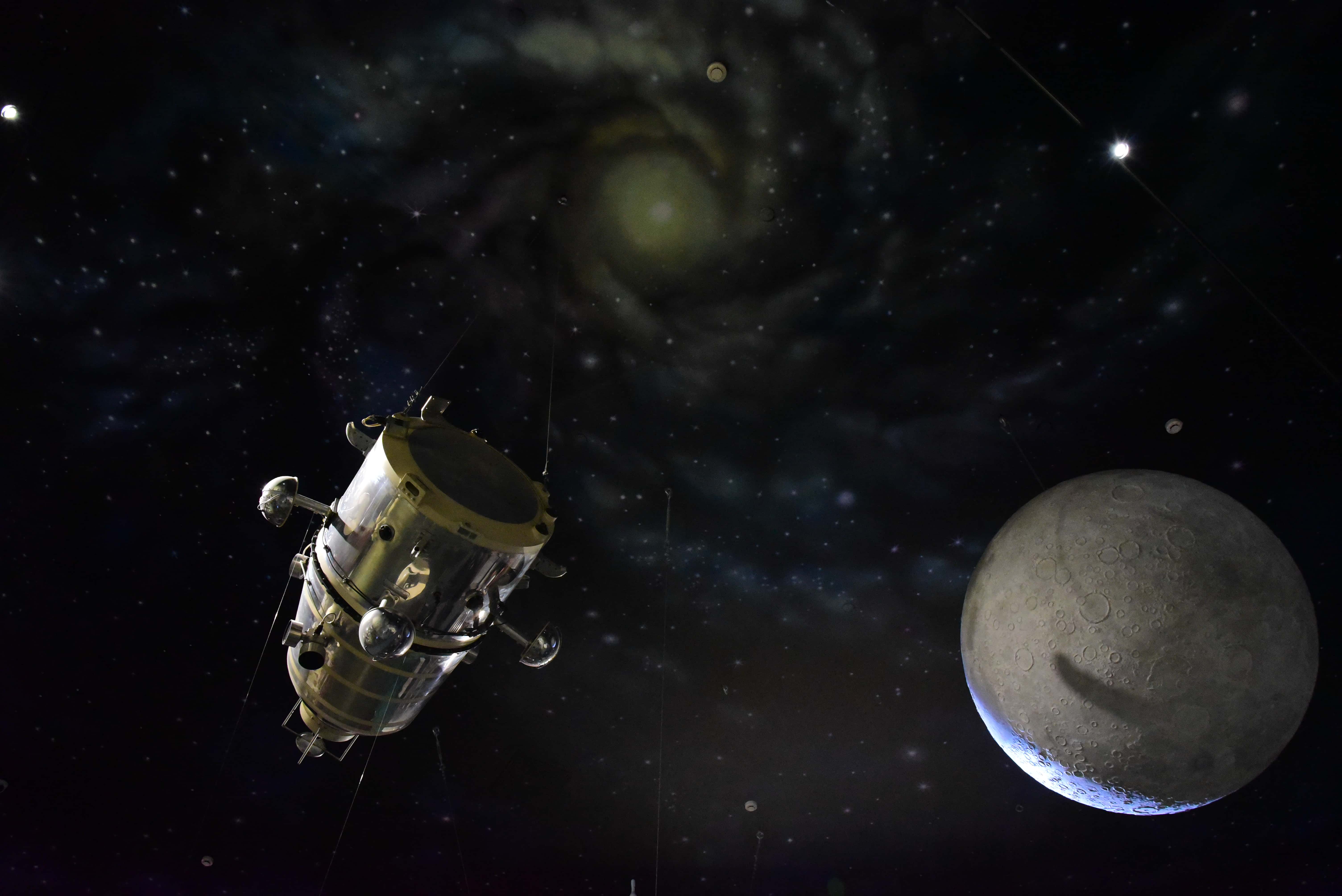
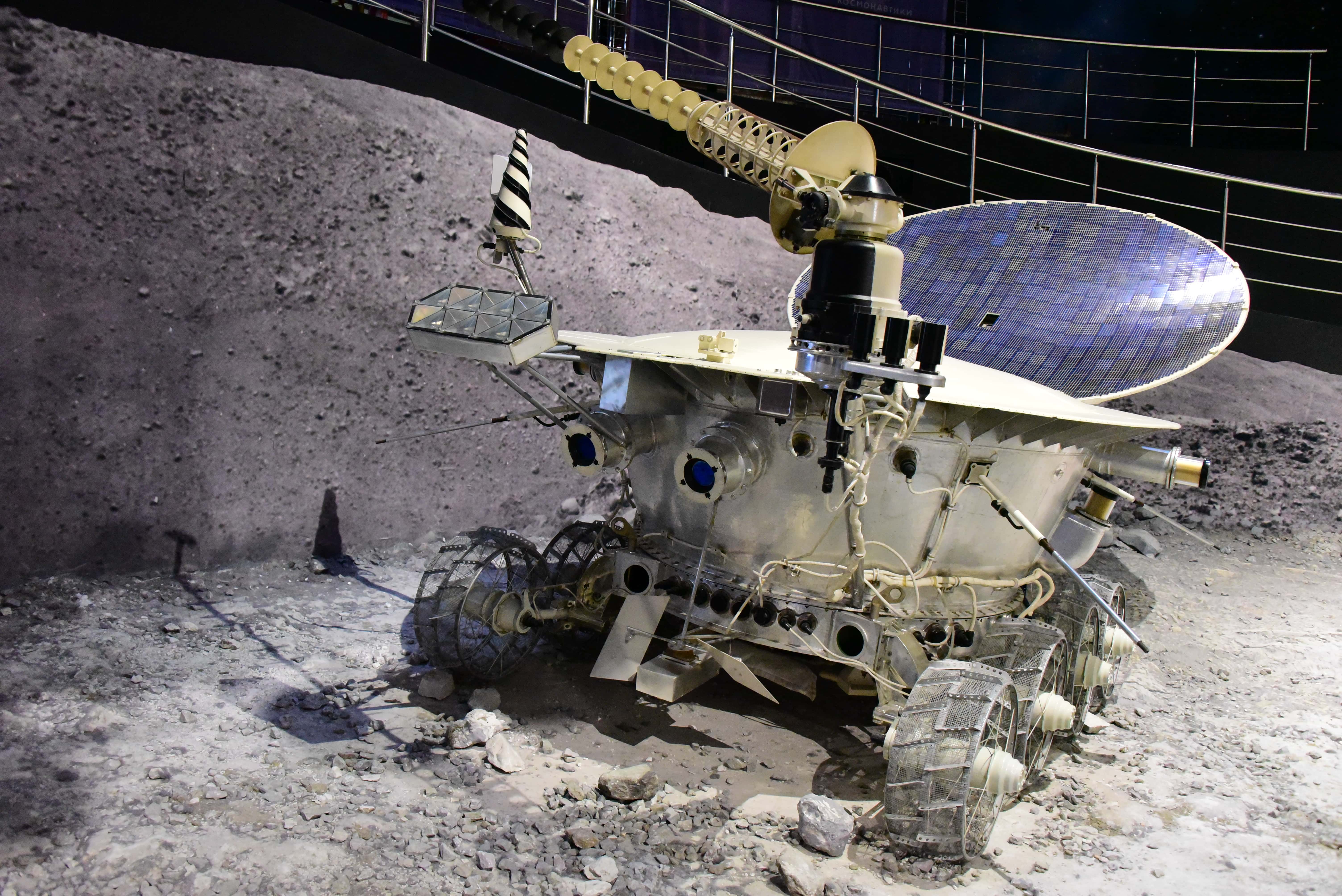
From 1959 to 1976, the Soviet Union carried out a total of 24 lunar exploration mission, numbered Luna-1 through Luna-24. To survey the moon, the Soviets built a remote-controlled self-propelled lunar rover called Lunokhod.
The first vehicle, Lunokhod-1, ceased operation on February 19, 1969, due to a launch failure.
Lunokhod-2 landed on the moon on November 17, 1970, as part of the Luna-17 mission, becoming the first rover to explore the lunar surface. It operated for 11 lunar days, equivalent to 10.5 months on Earth (one lunar day equals 29.5 Earth days), with its last contact on September 14, 1971, after traveling 10.5 kilometers.
Lunokhod-3 landed on the moon on January 15, 1973, during the Luna-21 mission, carrying upgraded cameras, magnetometers, and photometers. Although it operated for only 4 lunar days, equivalent to 4 months on Earth, Lunokhod-3 covered 42 kilometers on the moon—an incredible planetary distance record that remained unbroken until 2014, when it was surpassed by NASA's Opportunity rover.
In addition to the Lunokhod rover, on September 24, 1970, the Soviet Union landed a probe as part of the Luna-16 mission, aiming to return lunar soil samples to Earth. The mission concluded with the probe successfully bringing back 101 grams of lunar soil.
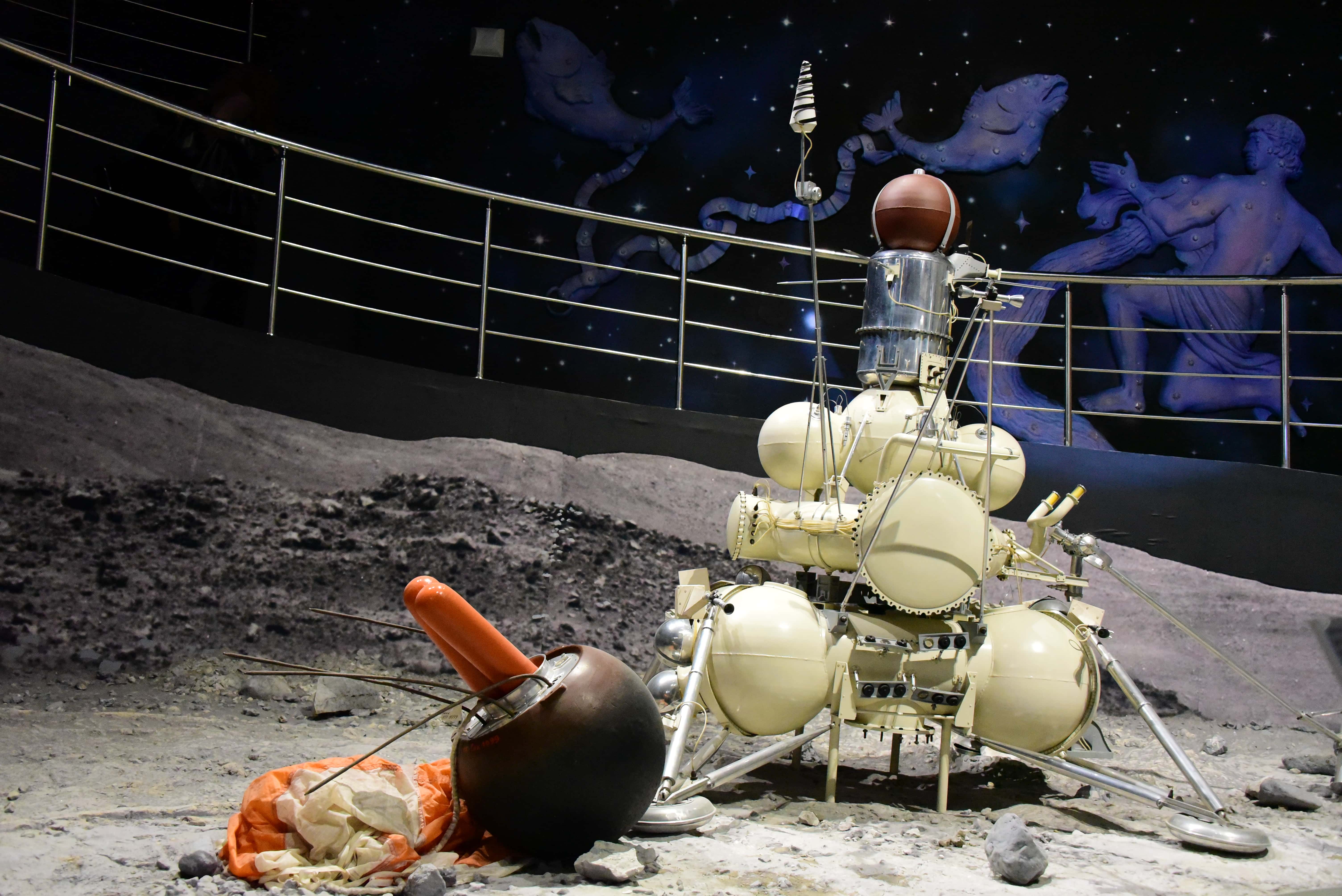
Despite achieving many great accomplishments in the lunar exploration program, the Soviet Union never carried out a manned moon landing, and it was almost overshadowed by the American manned landing in the Apollo 11 program in 1969. In other words, the Soviet Union lost to the Americans in the race to land humans on the moon.
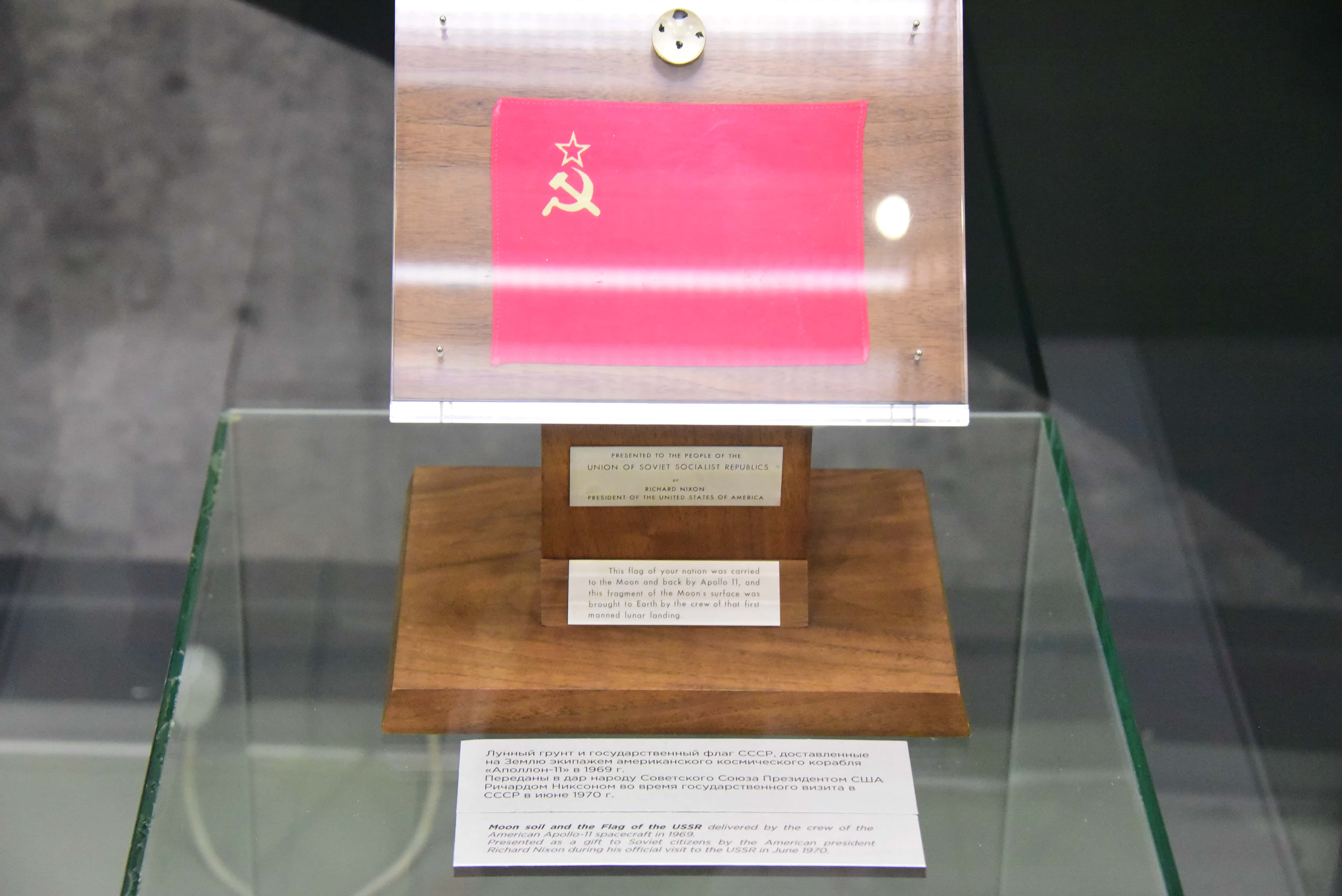
Do you remember how Khrushchev used to taunt the Americans after Sputnik II was successfully launched in November 1957? Thirteen years later, in June 1970, during a visit to the Soviet Union, U.S. President Richard Nixon presented the Soviet flag and a sample of lunar soil, accompanied by the message:
This flag of your nation was carried to the Moon and back by Apollo 11 and this fragment of the Moon’s surface was brought to Earth by the crew of that first manned lunar landing.
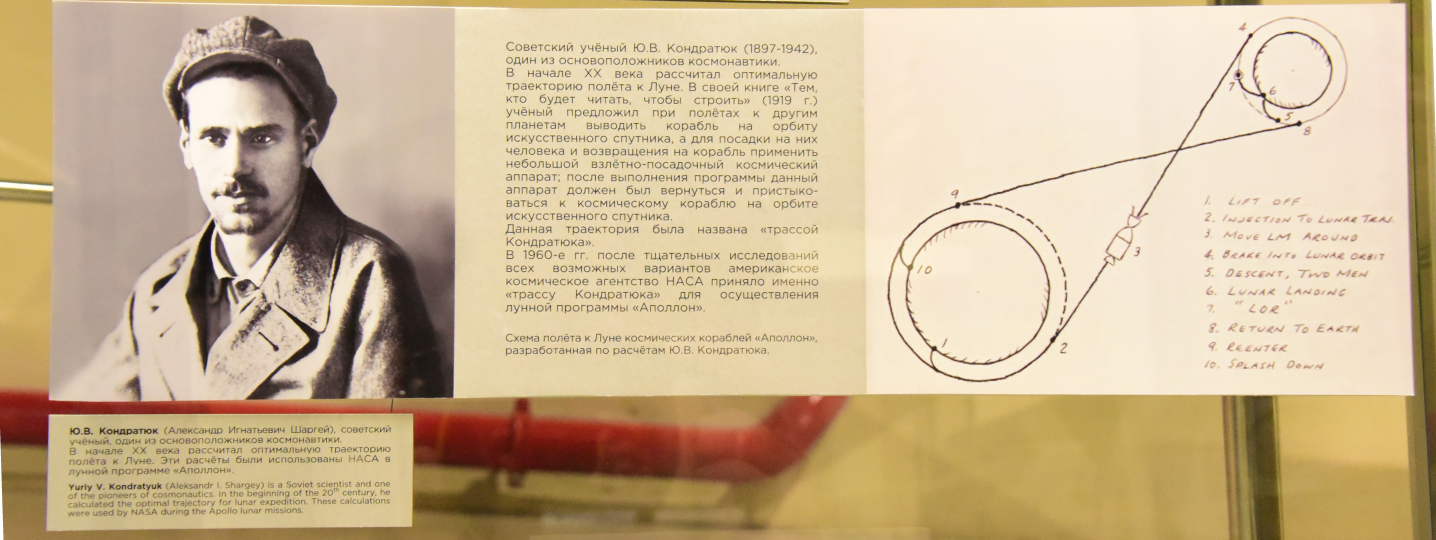
A little-known fact: the trajectory used by NASA's Apollo program to reach the Moon and return to Earth was a Soviet invention by scientist Yu.V. Kondratyuk (1897-1942), a pioneer of spaceflight in the early 20th century.
He calculated the optimal lunar flight path. In his book 'To Those Who Will Read to Build' (1919), he proposed that when flying to other planets, a spacecraft should enter the orbit of an artificial satellite; and for landing on that planet and returning to the mother ship, a small landing-takeoff vehicle should be used. After completing its mission, this vehicle must return and dock with the spacecraft in orbit.
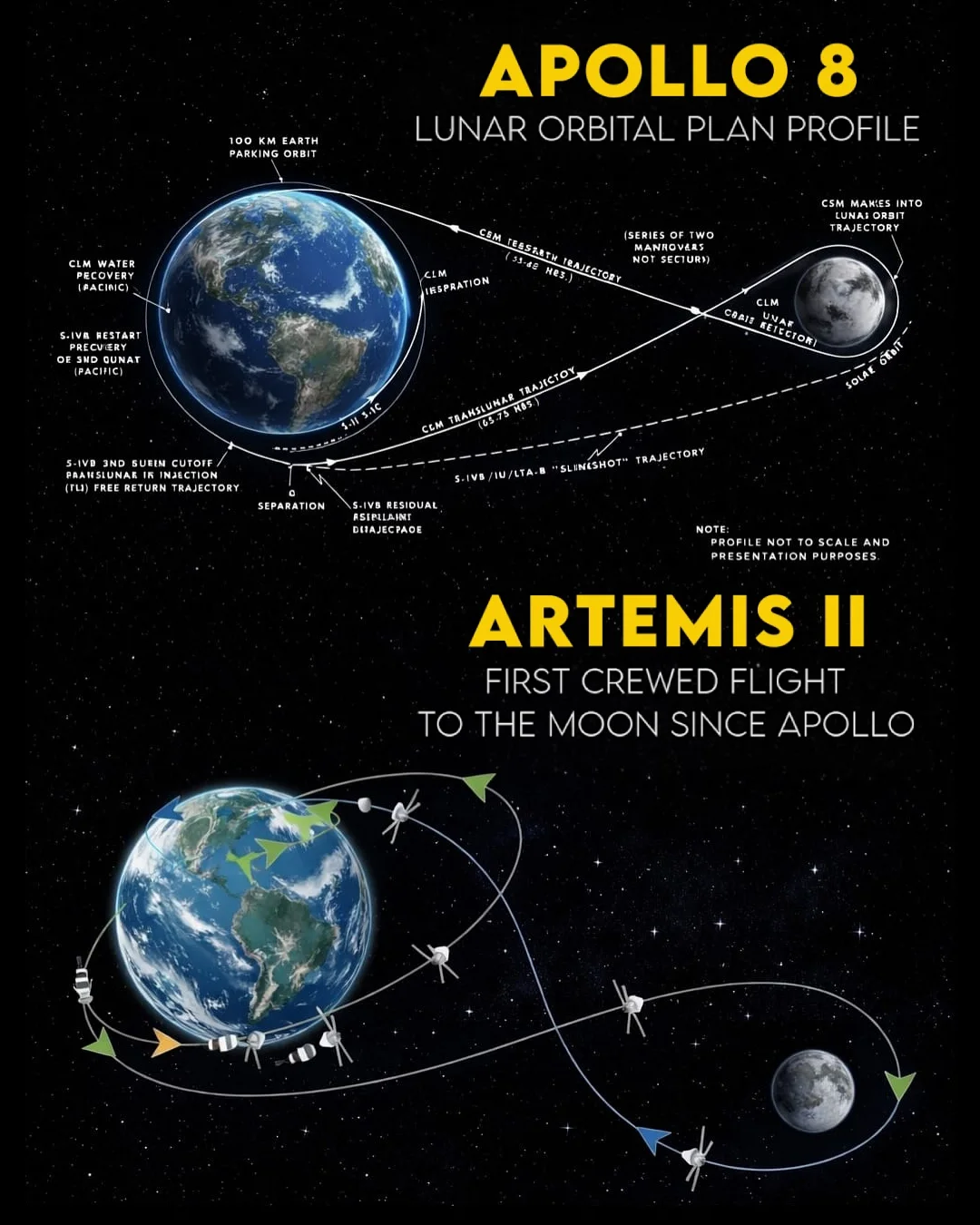
This trajectory is known as the 'Kondratyuk loop.' In the 1960s, after thoroughly studying all possible options, NASA adopted the 'Kondratyuk loop' for its Apollo Moon program.
However, while the Van Allen belt gained global acceptance and recognition, the Kondratyuk trajectory nearly vanished from international media. NASA publications also completely ignored this invention. A blatant 'violation of copyright property'.
Eastern allies in the mission to explore the cosmos
Regarding NASA's successful lunar landing and safe return, Madame Nguyen Thi Binh, a Vietnamese politician involved in the Paris Peace Accords negotiations to end the US war of aggression in Vietnam, made a firm statement that went down in history, demonstrating Vietnam's resolve to break the American will to invade. Her resolute words, delivered in French:
The Americans can go to the moon and back, but we don't know about them returning from Vietnam.
It should be recalled that the statement was made in 1973, following Vietnam's attack on the US Embassy in Saigon in 1968 during Tet Offensive - the Vietnamese lunar new year, the Tet holiday that began on January 31, which shook American politics, and the US retaliation with B-52 bombers by the Christmas Bombings campaign conducted from 18 to 29 December 1972, under Nixon's threat to bomb Ha Noi back to the Stone Age through a massive aerial bombing which dropped over 20.000 tons of explosives targeting civilian infrastructure like roads, bridges, hospitals, and schools before peace talks.
On the night of December 27, 1972, a B-52 Stratofortress, known as the flying fortress of the U.S. Air Force, escorted by fighter jets while bombing Hanoi during Operation Linebacker II, was shot down by pilot Pham Tuan flying MiG-12, No.5121 at a range of 4 km in aerial combat.
To date, Pham Tuan still remains the first and only pilot in the world to shoot down a U.S. B-52. In total, the U.S. lost 34 B-52s, with 16 shot down in place and 31 lost for other reasons. This devastating loss forced the U.S. to the negotiating table, leading to the Paris Peace Accords and the end of the U.S Aggression War in Vietnam.
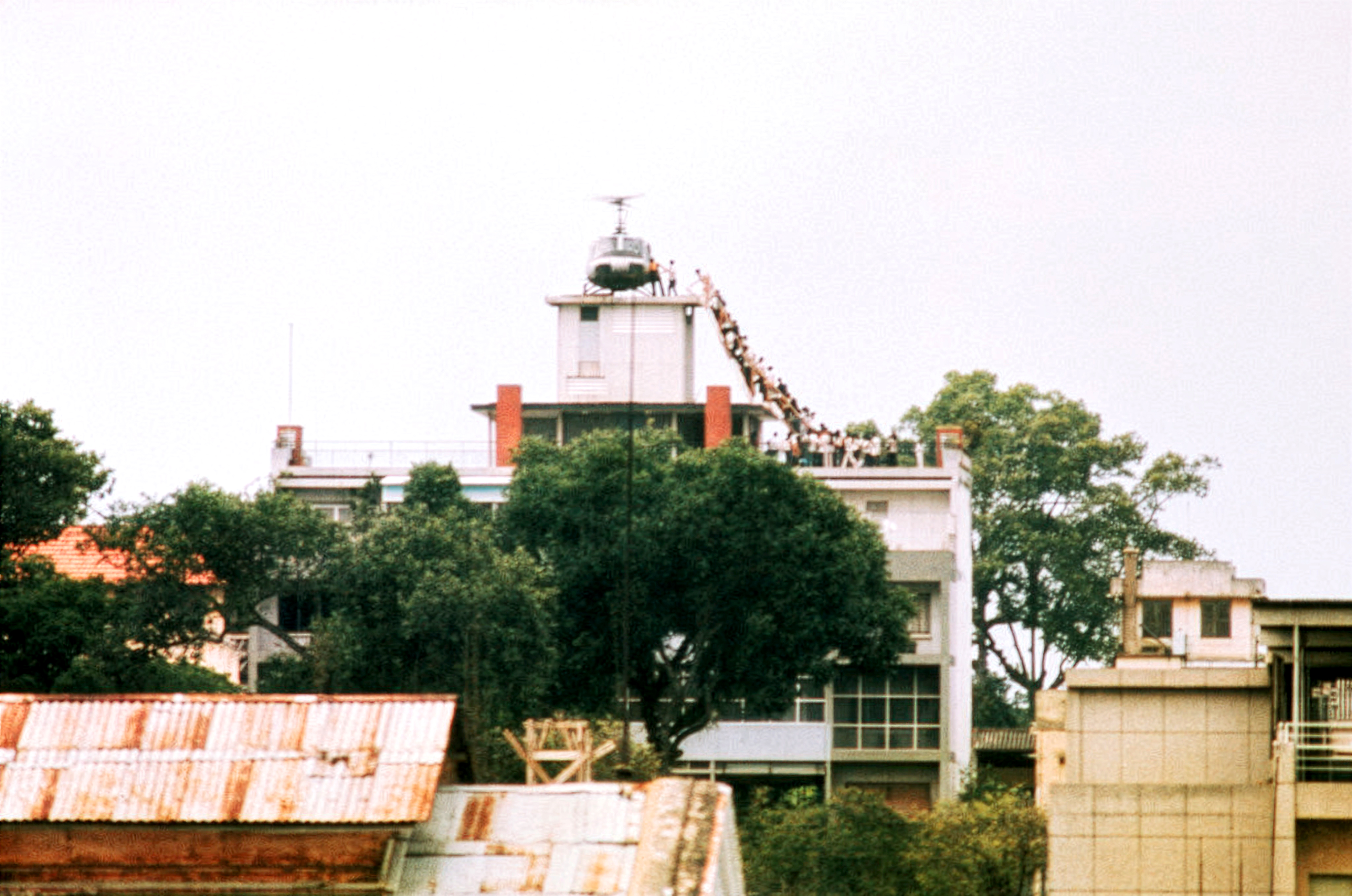
The image of American desperate rush to flee by helicopter from the roof during Operation Frequent Wind in Saigon became symbol of U.S. humiliation defect in the 20th century.


At this time, Vietnam was a close ally receiving strong support from the Soviet Union in its fight against American invaders. Following the restoration of peace, pilot Pham Tuan—recognized for his achievements in downing B-52 bombers—was selected for the Soviet Intercosmos program in 1979.
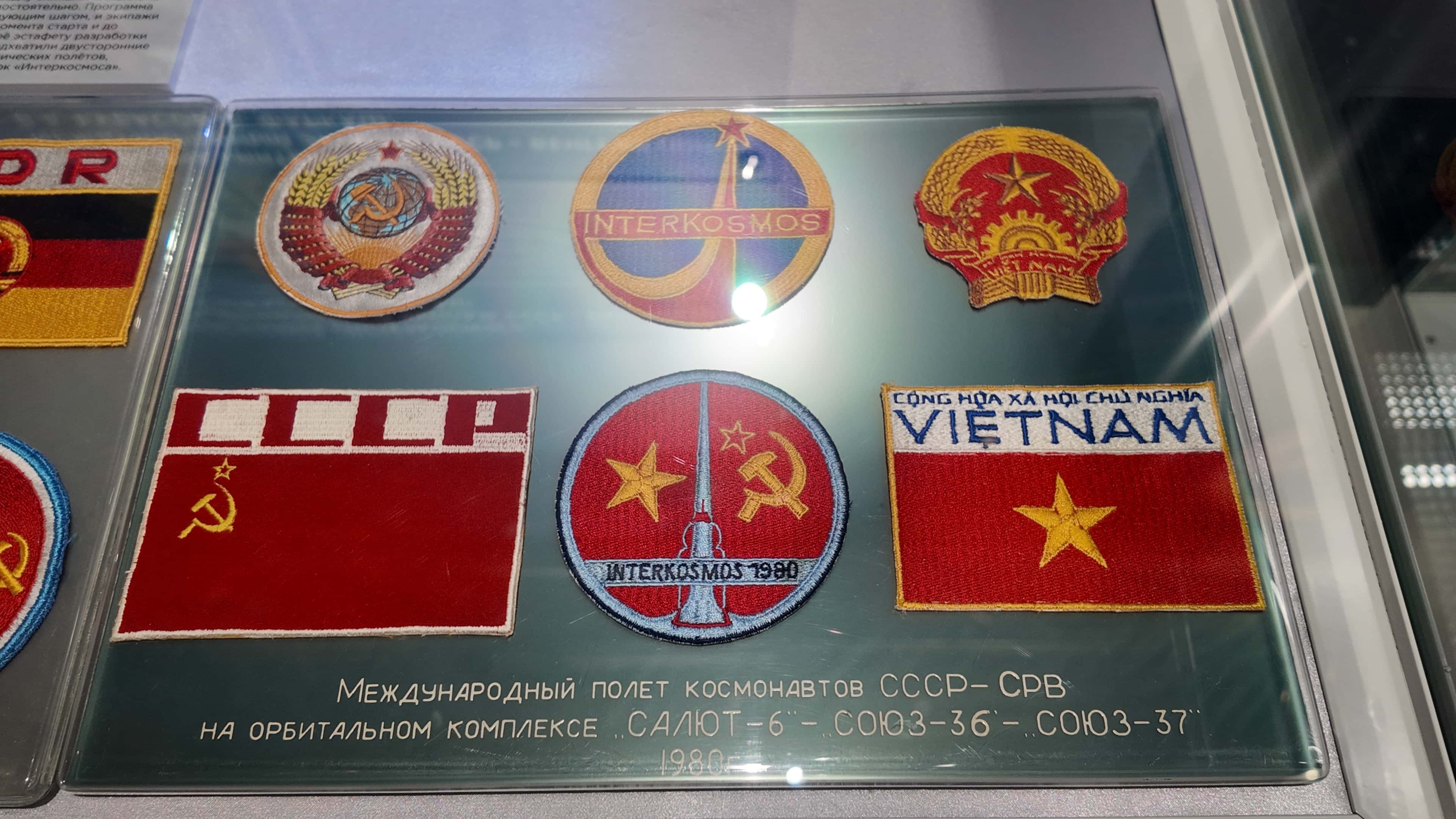
He took a training course and in July, 1980 he took a flight on board the Soyuz 37 and Soyuz 36 spacecraft and the Salyut 6 space station. During the Olympic Games in Moscow, Cosmonaut Viktor Gorbatko and Phạm Tuân entered orbit. Without exaggeration, the whole world was observing the crew’s work.
Tuân spent a total of 7 days, 20 hours and 42 minutes in space. On board the station, he carried out a biological experiment on azolla to grow plants on board the international space station and took photos of Vietnam from Earth orbit.
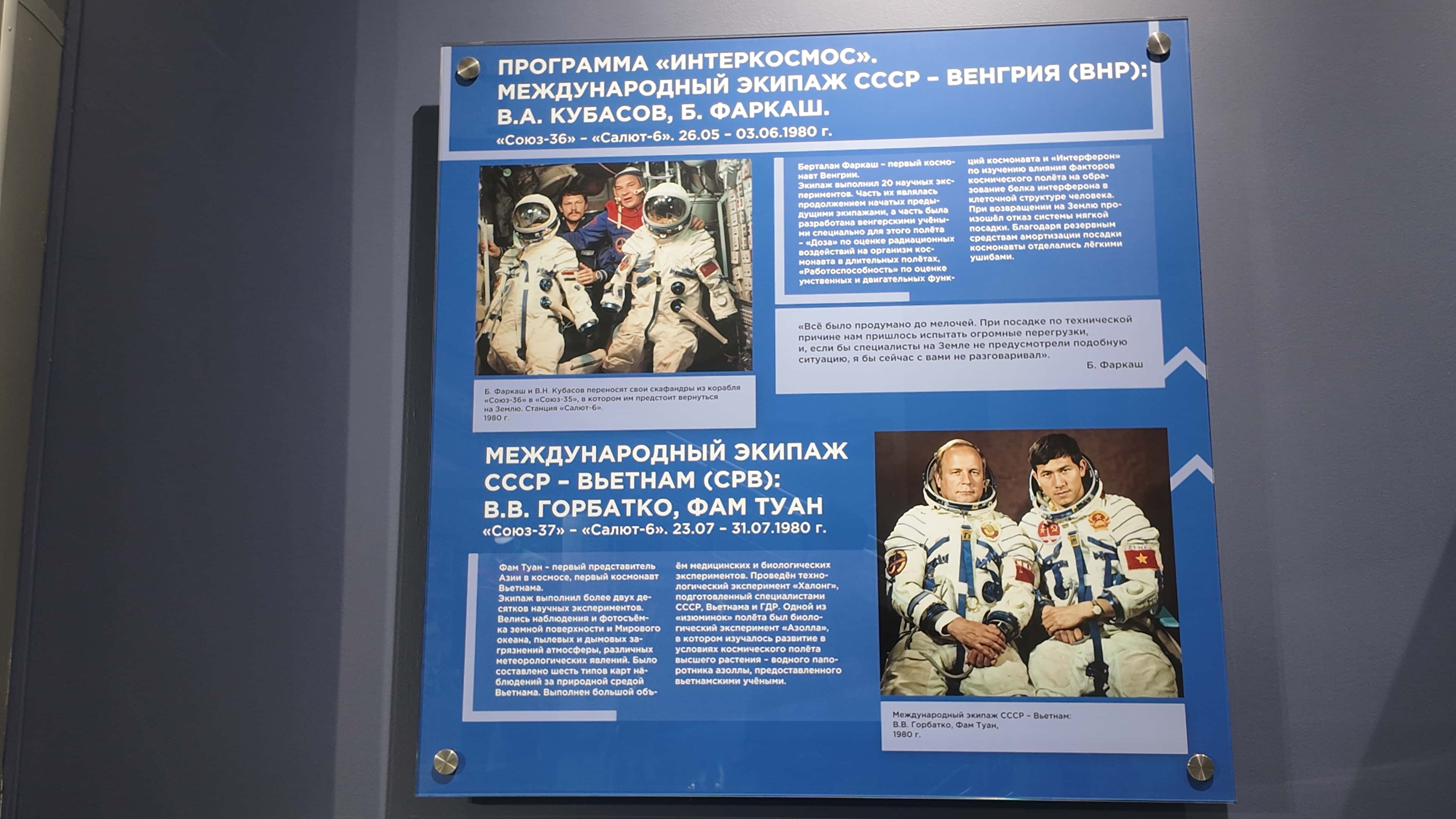
For Vietnam, as a war-ravaged country, Phạm Tuân’s access to the space orbit was a great deed, miracle and hope for revival. Phạm Tuân was not only the first Vietnamese cosmonaut in orbit but also the first person from an Asian country to fly into space. His flight was ten years ahead of Japan.
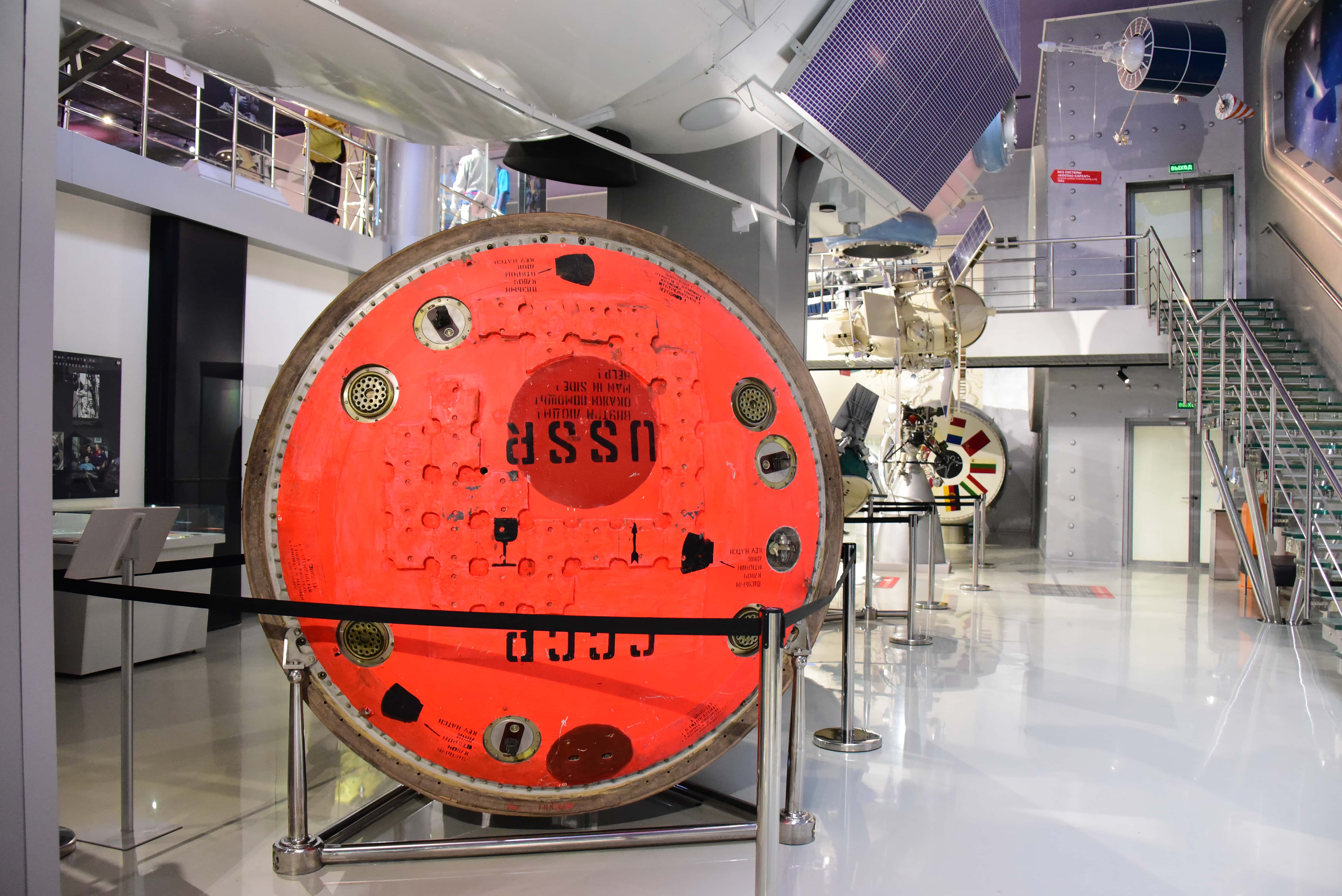
Conclusion
After the turmoil of the 1990s, Russia's lunar exploration program faced numerous setbacks and was suspended. The most recent mission, Luna-25, crashed uncontrollably onto the lunar surface on August 20, 2023. The time span between Luna-24 and Luna-25 stretched to a staggering 47 years.
Today, the lunar race is heating up again with India and China joining the competition. China, an emerging superpower, has made significant strides in space exploration. Notably, it became the second country to successfully recover and reuse a rocket booster, marking a milestone towards more cost-effective space travel.
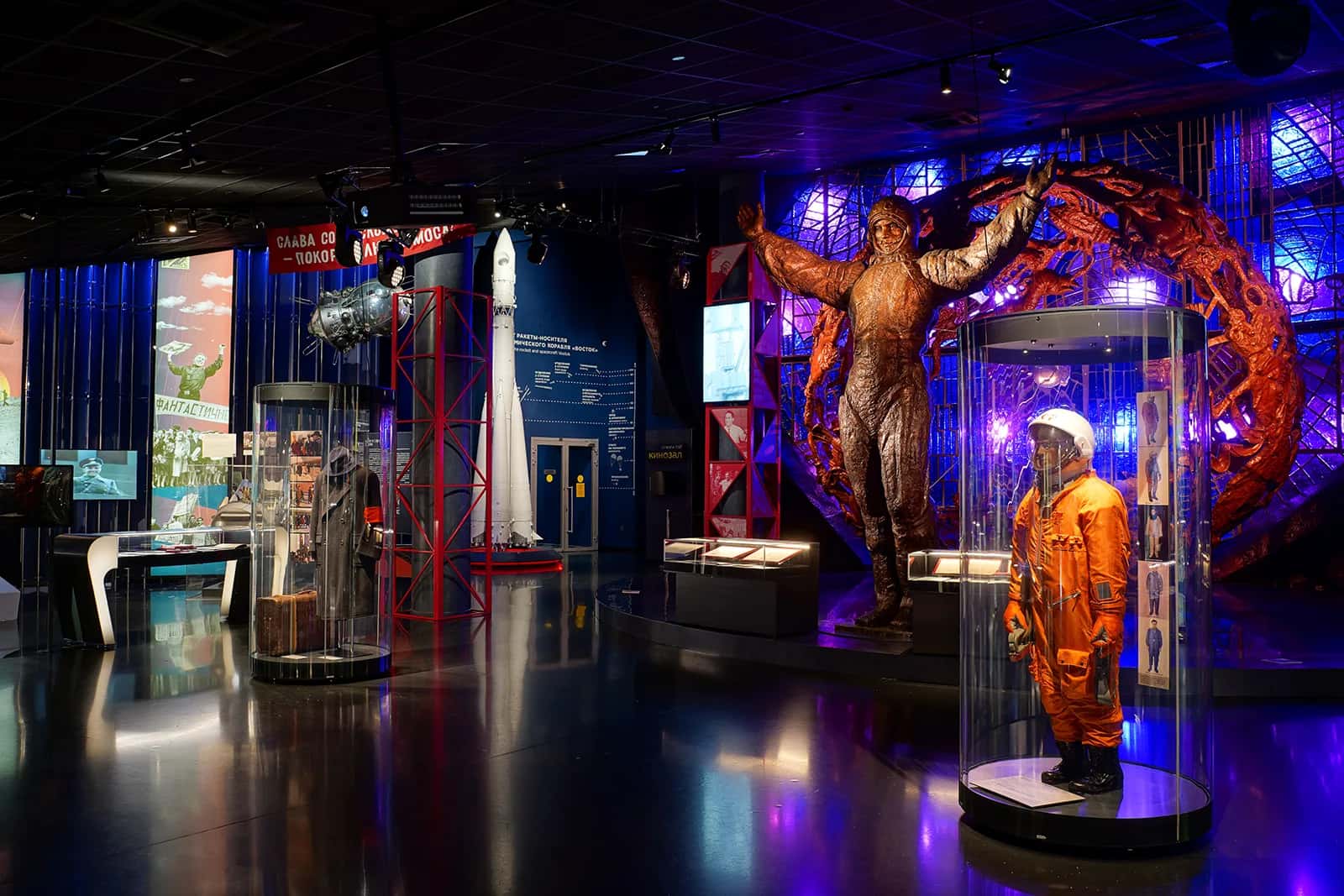
Given these huge challenges, it is understandable that Russia has fallen behind in the lunar race. Yet, among the children visiting the space museum in Moscow daily, who knows if one of them will become a brilliant scientist and restore Russia's standing? Only time will tell.
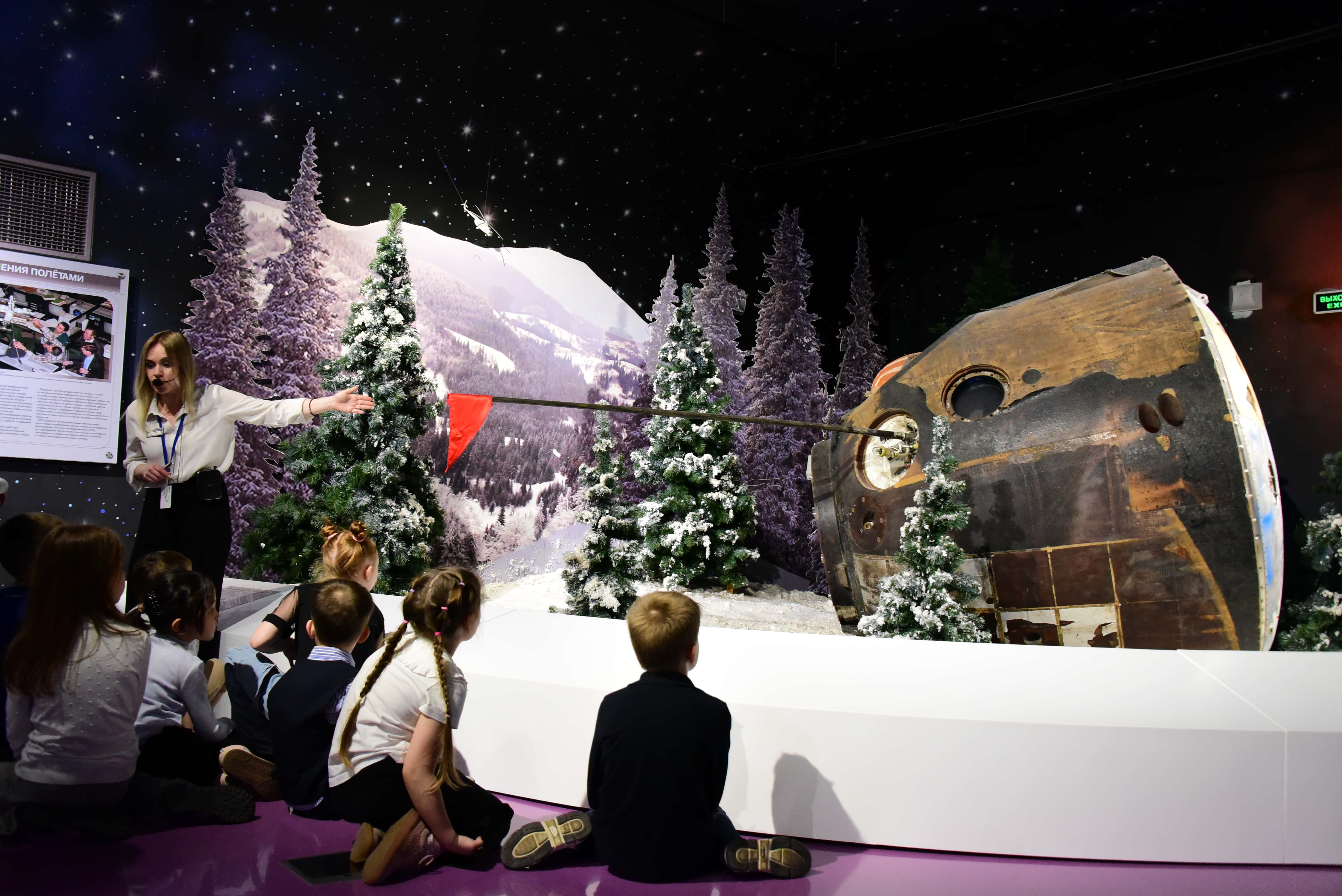
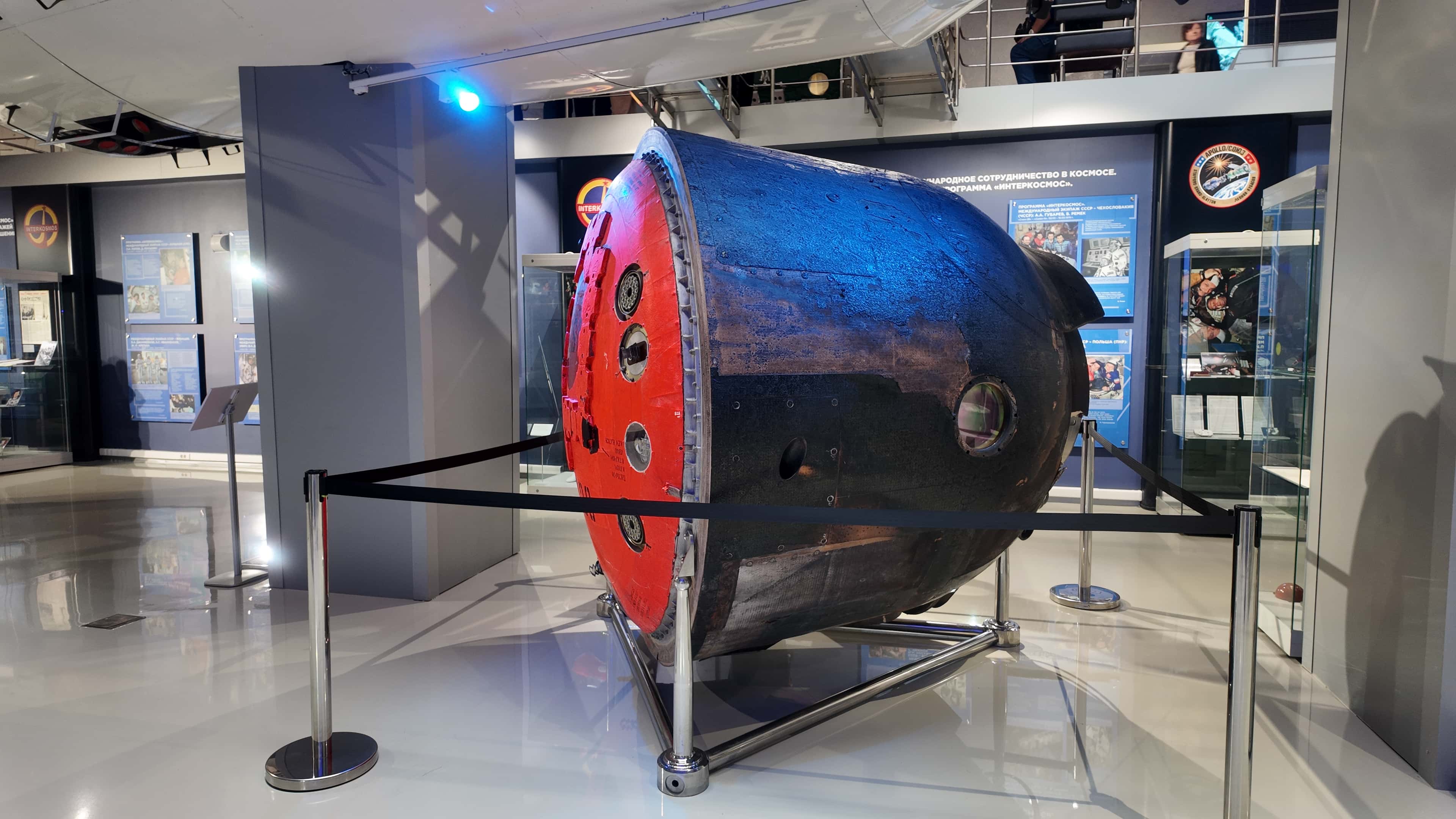
When in Moscow, visit the space museum for a journey through the Soviet Union's and mankind's great space exploration achievements.